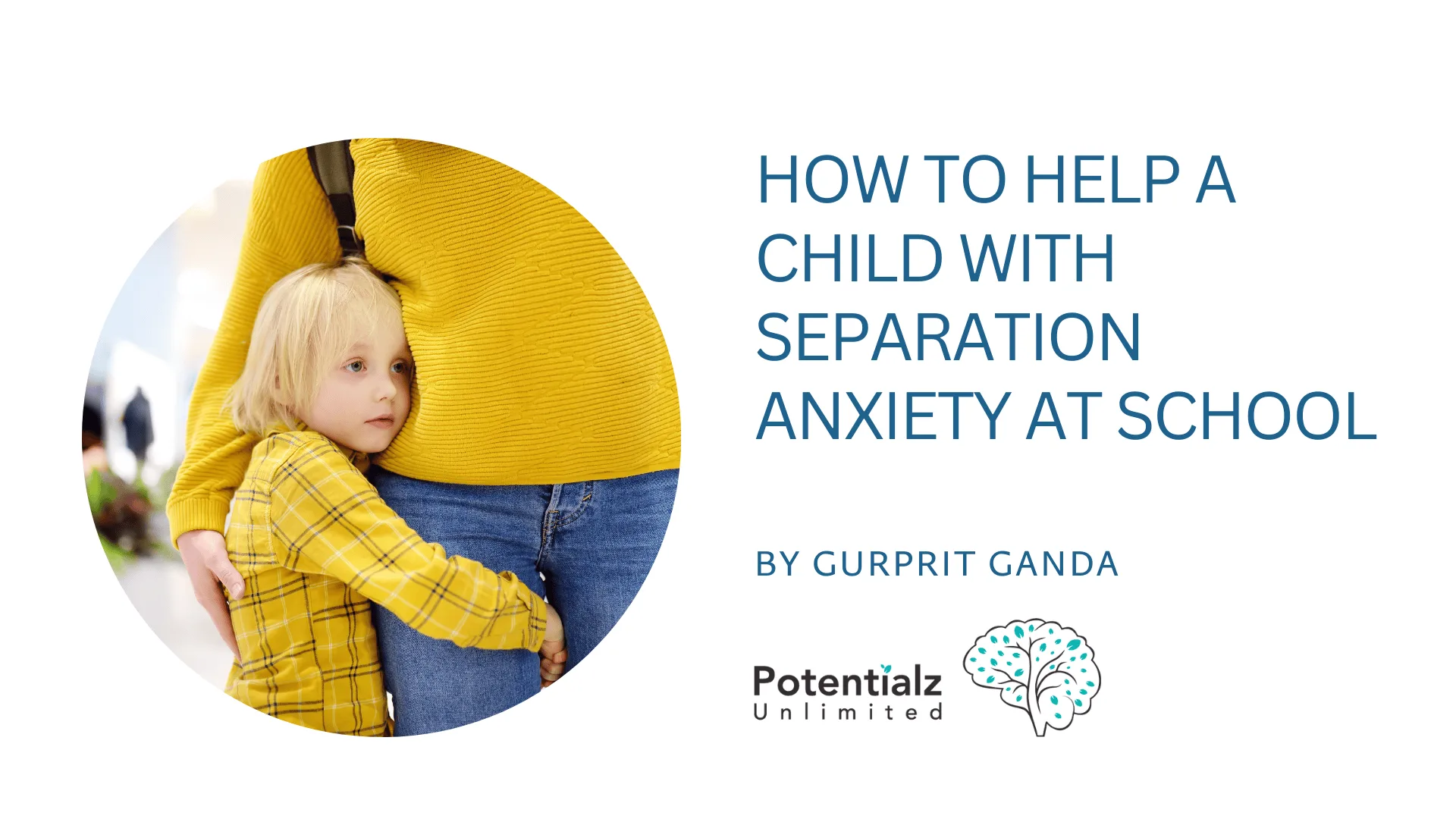
For most Australian families, separation anxiety in children shows up somewhere between eight months and age six — the goodbye tears at daycare drop-off, the clinging at the school gate, the “please don’t go” whispered at bedtime. It is one of the most common childhood emotional patterns, and in most cases it is a normal part of development. But for some children it lasts longer, intensifies, or begins to interfere with school, sleep and family life. This guide explains what separation anxiety looks like at each age, when it is a signal to seek professional support, and what parents can actually do to help.
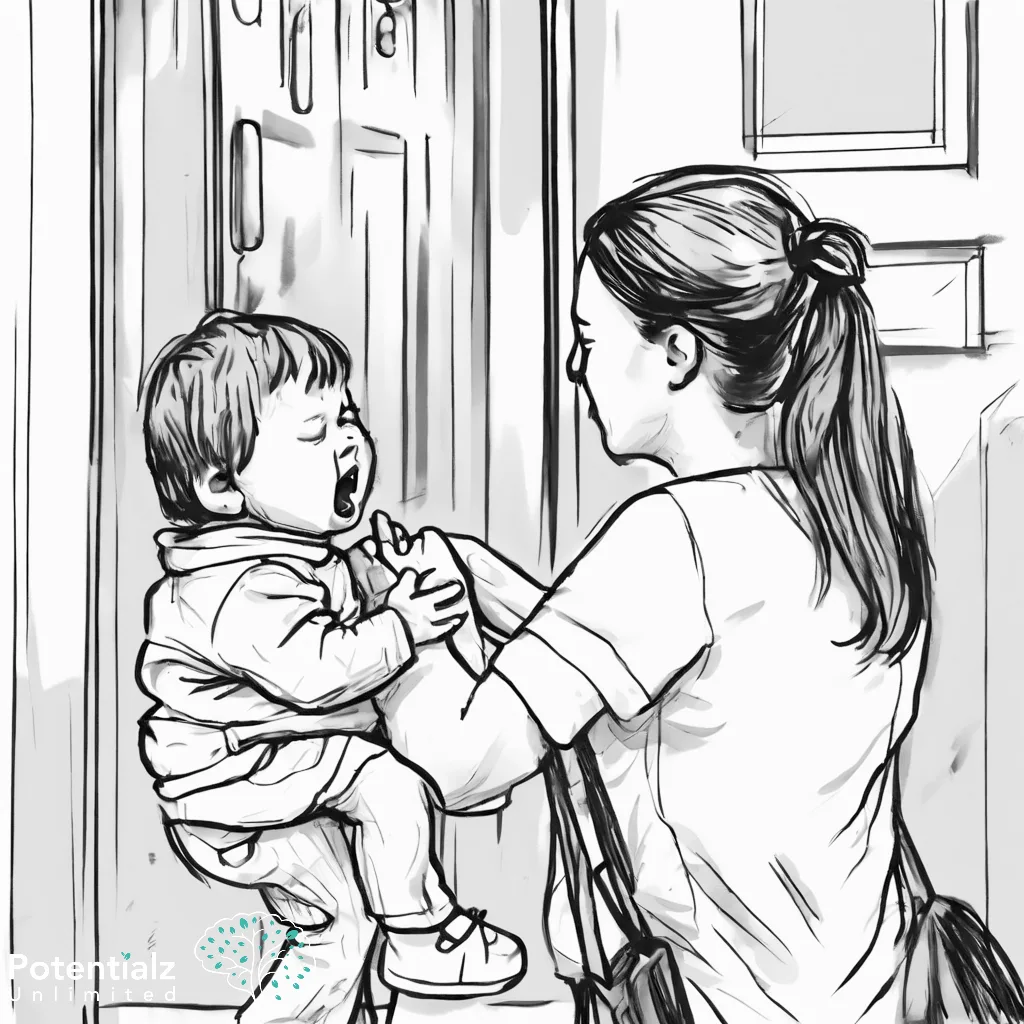
What is separation anxiety in children?
Separation anxiety is developmentally normal distress when a young child is separated from a primary attachment figure — usually a parent. It reflects a healthy attachment: the child has learned that their caregiver is the source of safety, and they protest when that source disappears from view.
For most children this is a passing phase. When the distress is unusually intense, lasts for more than four weeks, or continues past the age it would normally settle, it may meet criteria for Separation Anxiety Disorder (SAD) in the DSM-5-TR — a specific anxiety diagnosis that can occur in childhood and, less commonly, in adulthood.
When does separation anxiety start? Typical ages 8 months to 6 years
Separation anxiety follows a predictable developmental arc for most Australian children:
- 8–14 months — first onset. This coincides with object permanence developing (the understanding that people continue to exist when out of sight). Before this, out-of-sight really did mean out-of-mind; now the child is aware the parent is missing.
- 15 months to 3 years — typical peak. Toddlers may cry at drop-off, resist being handed to grandparents, or wake at night calling for a parent. This is the classic “toddler separation anxiety” phase.
- 3–5 years — gradual reduction. As language, memory, and emotional regulation mature, most children learn that separations are time-limited and safe.
- 5–6 years and beyond — anxiety usually settles as school starts and the child builds trust in the school routine. Some short-term reappearance is common at transitions (new class, new school, new sibling, moving house).
If separation distress is still significant past age 4–5, or if it appears (or dramatically re-appears) after a long calm period, that is worth paying attention to.
Signs and symptoms of separation anxiety in children
Separation anxiety presents differently at different ages, but common signs include:
- Emotional signs — excessive clinginess to parents or caregivers, tearfulness at drop-off, panic on being left alone, fear of losing a parent to illness or accident
- Behavioural signs — refusal to attend childcare, kindergarten or school; resistance to sleeping alone; refusal to visit friends’ or relatives’ homes without a parent; frequent phone calls or “checking in” when separated
- Physical signs — stomach aches, headaches, nausea, or complaints of feeling unwell on school mornings that resolve when the child stays home
- Sleep signs — difficulty falling asleep alone, frequent night waking, nightmares about being separated or losing a caregiver
- Social signs — reluctance to participate in age-appropriate activities that require separation, such as birthday parties or sleepovers
A useful gauge: if the distress is short-lived (settles within 10–15 minutes of the parent leaving) and the child manages the rest of the day, this is typical developmental anxiety. If the distress persists across the day, several days a week, for more than a month, that is when professional assessment can help.
Separation anxiety in toddlers vs older children
The presentation shifts with age:
Toddlers (ages 1–3) — mostly behavioural: crying, clinging, tantrums at drop-off. Toddlers do not yet have the language to explain what they feel, so the distress shows up in the body and behaviour. They also live in the moment — five minutes without you can feel like forever.
Preschoolers (ages 3–5) — behavioural distress plus early cognitive worry: “Will you definitely come back?” “What if you have a car accident?” Preschoolers begin to imagine bad outcomes, which is a marker of cognitive development but also a new dimension of anxiety.
School-age children (ages 5–12) — anxiety may present as school refusal, somatic complaints (stomach aches, headaches), fear of sleeping alone, or persistent worry about the safety of a parent. When separation anxiety persists at this age, it can overlap with school refusal and warrants a proper assessment.
When is separation anxiety a disorder?
The clinical threshold — Separation Anxiety Disorder (SAD) — is met when the pattern is:
- Persistent — lasting at least 4 weeks in children (6 months in adults)
- Developmentally disproportionate — more intense than what would be expected for the child’s age
- Functionally impairing — clearly interfering with school attendance, sleep, friendships, or family life
- Distressing — causing meaningful suffering for the child (not just inconvenience for the family)
A child psychologist can distinguish typical developmental separation anxiety from SAD, and rule out overlapping conditions (generalised anxiety, adjustment reaction, autism-related transition difficulty, or the aftermath of a traumatic event).
What causes separation anxiety in children?
Several factors can contribute, often in combination:
- Attachment style — children with an anxious attachment pattern are more prone to separation distress
- Temperament — some children are constitutionally more sensitive to novelty and change
- Major life events — a house move, new sibling, parental separation, hospitalisation, or the loss of a caregiver
- Parental anxiety — children pick up on their parents’ emotional cues; parental anxiety at drop-off can amplify a child’s own worry
- Trauma or medical events — an accident, illness, or extended hospital stay can trigger a step-change in separation distress
- Genetics and family history — anxiety runs in families, both through heredity and modelling
Understanding the specific trigger for your child usually shapes the most effective response.
7 evidence-based strategies for parents
The following approaches are drawn from developmental psychology and cognitive-behavioural practice for young children:
1. Implement a gradual transition
Introduce your child to new environments slowly. For childcare, stay with them for short periods initially. Reduce your presence gradually as they build comfort. This approach helps children adjust to new surroundings at their own pace.
2. Never sneak away
Slipping out while your child is distracted feels easier but backfires — it teaches the child that you can disappear at any moment, and produces hypervigilance. Always say goodbye, even if it triggers tears.
3. Establish a goodbye ritual
Create a consistent farewell — a special hug, a hand-squeeze, a whispered phrase. Rituals help the child’s brain recognise the moment as expected and time-limited: “This means Mum leaves, and Mum always comes back.”
4. Minimise stress before school begins
Return from holidays with enough buffer for your child to settle at home before the first day of school or childcare. A calm week beforehand pays back many times over.
5. Be mindful of your own emotional signals
Children as young as 4–5 months can read facial cues. If drop-off makes you anxious, they will feel it. Practice a warm, brief, matter-of-fact goodbye — long, worried farewells actually make separation harder.
6. Encourage independence at home
Small daily doses of separation at home — playing in another room, staying with a trusted grandparent for short periods — build the “I am safe apart from you” muscle before it is needed in bigger contexts.
7. Maintain consistent routines
Predictable meal times, bed times, and morning routines give an anxious child something to hold onto. When drop-off is chaotic, the whole day feels less safe.
When to see a child psychologist
Consider a professional assessment when:
- The distress lasts more than 4 weeks despite the strategies above
- Your child is consistently refusing school or childcare
- The anxiety is affecting sleep, appetite, or friendships
- Physical symptoms (stomach aches, headaches) appear on separation days
- The child is preoccupied with worry about your safety
- You are exhausted, unsure what to do next, or the anxiety is straining family life
A child psychologist in Bella Vista will typically take a developmental history, meet with parents first, then with the child using play-based methods appropriate to age. Treatment usually combines parent coaching with direct child work — often through play therapy for younger children, and CBT-style approaches for school-age children.
Frequently asked questions
How long does separation anxiety usually last in toddlers? Most toddlers move through peak separation anxiety between 15 months and 3 years. For the majority of children it settles noticeably by age 4, though brief flare-ups at transitions (starting kindergarten, a new sibling) are normal.
Is it normal for a 4-year-old to have separation anxiety? Some level is still normal, especially around transitions like starting kindergarten. If it is significant, lasts more than 4 weeks, and interferes with the child’s day, professional assessment is worth considering.
What’s the difference between separation anxiety and clinginess? Clinginess is a general pattern of wanting to be near a caregiver. Separation anxiety is a specific distress response to being physically separated — it comes with fear, protest, and often physical symptoms.
Can adults have separation anxiety? Yes — adult Separation Anxiety Disorder is a recognised diagnosis in the DSM-5-TR. It is less common than the childhood version and often shows up as intense distress about being apart from a partner, adult child, or parent. Read more in our adult separation anxiety guide.
How do I know when to see a psychologist about my child’s separation anxiety? The threshold is functional impact — if the anxiety is interfering with school attendance, sleep, family life, or your child’s friendships, and gentle strategies at home have not shifted it after a few weeks, a psychologist can help.
Conclusion
Separation anxiety is one of the most common — and most transient — emotional patterns of childhood. For most Australian families, warmth, predictability, and a steady goodbye ritual carry the child through the phase. When it persists past the ages it should settle, or begins to shape the family’s daily life, a child psychologist can distinguish typical developmental anxiety from Separation Anxiety Disorder and offer targeted support. With patience, the right approach, and — where needed — professional guidance, most children build the confidence to explore the world with the security of knowing you will be there when they return.
Related Reading
More from our blog:
- The Hidden Struggle: Understanding Adult Separation Anxiety Disorder
- School Refusal: What Is Really Going On?
- Understanding Panic Attacks and Panic Disorder
- Anxiety in Children: How Play Therapy for Anxiety Helps
- Parent–Child Attachment: Play as a Tool to Rebuild Connection
Therapy services that may help:
This article is general information and not a substitute for personalised clinical advice. If your child’s separation anxiety is affecting their day-to-day life, please speak with a GP or a registered psychologist. In an emergency, call 000. For 24/7 support, Lifeline is 13 11 14 and Kids Helpline is 1800 55 1800.
Need Professional Support?
If you're experiencing mental health concerns, our team is here to help.