Understanding Anxiety: When Normal Worry Becomes a Disorder
Anxiety is a natural human response designed to keep us safe from danger. However, when anxiety becomes persistent, excessive, and interferes with daily functioning, it may indicate an anxiety disorder requiring professional intervention. An estimated 4% of the global population currently experience an anxiety disorder, with 301 million people worldwide affected in 2019, making anxiety disorders the most common of all mental disorders.
The Australian Reality of Anxiety Disorders
Recent data from the Australian Bureau of Statistics National Study of Mental Health and Wellbeing (2020-2022) reveals significant anxiety prevalence across the population:
- Adults: 17.2% of Australians aged 16-85 years (3.4 million people) had a 12-month anxiety disorder
- Young adults: Almost half of young females (45.5%) and one third of young males (32.4%) aged 16-24 years had a mental disorder, with anxiety being the most common
- Lifetime prevalence: 28.8% of Australians (5.7 million people) have experienced an anxiety disorder at some time in their life
- Treatment access: Of the 4.3 million Australians with a 12-month mental disorder, only 45.1% saw a health professional for their mental health
Understanding these statistics helps normalize the experience of anxiety while highlighting the critical importance of seeking appropriate help when needed.
Distinguishing Normal Anxiety from Anxiety Disorders
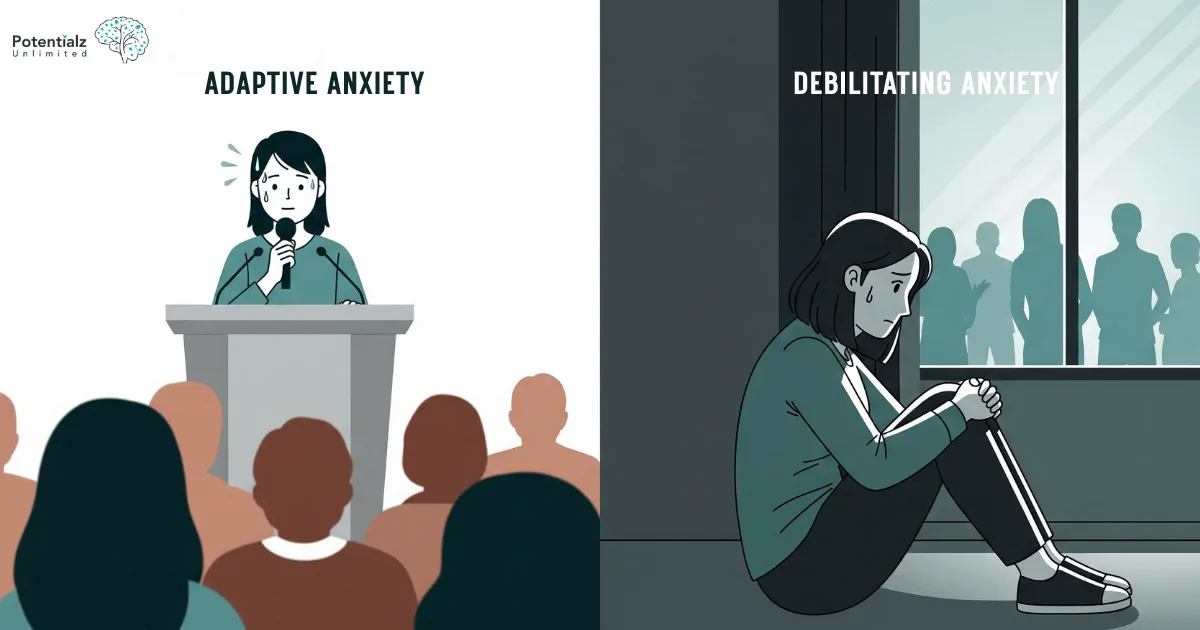
Normal Anxiety:
- Proportionate to the situation or threat
- Time-limited and resolves when the stressor passes
- Motivates adaptive behavior and problem-solving
- Doesn’t significantly impair daily functioning
- Manageable with personal coping strategies
Anxiety Disorders:
- Excessive and disproportionate to actual threats
- Persistent and chronic, lasting weeks or months
- Interferes with daily activities, relationships, and functioning
- Causes significant distress and avoidance behaviors
- Resistant to personal coping efforts
Research shows that anxiety disorders interfere with daily activities and can impair a person’s family, social and school or working life. The key distinction lies not just in the intensity of anxiety, but in its duration, frequency, and functional impact.
Recognizing the Signs: When Anxiety Requires Professional Help
Red Flag Symptoms Requiring Immediate Attention
Seek immediate professional help if you experience:
- Panic attacks: Sudden, intense episodes of fear with physical symptoms like chest pain, difficulty breathing, or feeling like you’re having a heart attack
- Suicidal thoughts: Any thoughts of self-harm or suicide require immediate intervention
- Substance use: Using alcohol, drugs, or medications to manage anxiety
- Complete avoidance: Unable to leave home, attend work/school, or maintain relationships due to anxiety
- Psychotic symptoms: Hearing voices, seeing things, or losing touch with reality during anxiety episodes
Functional Impairment Indicators
Professional help is warranted when anxiety significantly impacts:
Academic or Professional Performance:
- Difficulty concentrating or making decisions
- Frequent absences from work or school due to anxiety
- Declining performance despite adequate ability
- Avoiding presentations, meetings, or important tasks
- Physical symptoms (headaches, stomach issues) affecting attendance
Social and Relationship Functioning:
- Avoiding social gatherings, events, or activities you once enjoyed
- Difficulty maintaining friendships or romantic relationships
- Isolation from family and support systems
- Fear of judgment leading to withdrawal from social connections
- Impact on family members who must accommodate your anxiety
Daily Life Activities:
- Difficulty with routine tasks like grocery shopping, driving, or using public transportation
- Sleep disturbances that affect daytime functioning
- Physical symptoms that interfere with daily activities
- Excessive time spent on worry or anxiety-related behaviors
- Avoidance of normal life experiences due to fear
Duration and Persistence Criteria
Consider professional help when anxiety symptoms:
- Persist for 6 months or more without significant improvement
- Occur most days rather than occasionally
- Worsen over time despite self-help efforts
- Return repeatedly even after periods of improvement
- Interfere with multiple life domains simultaneously
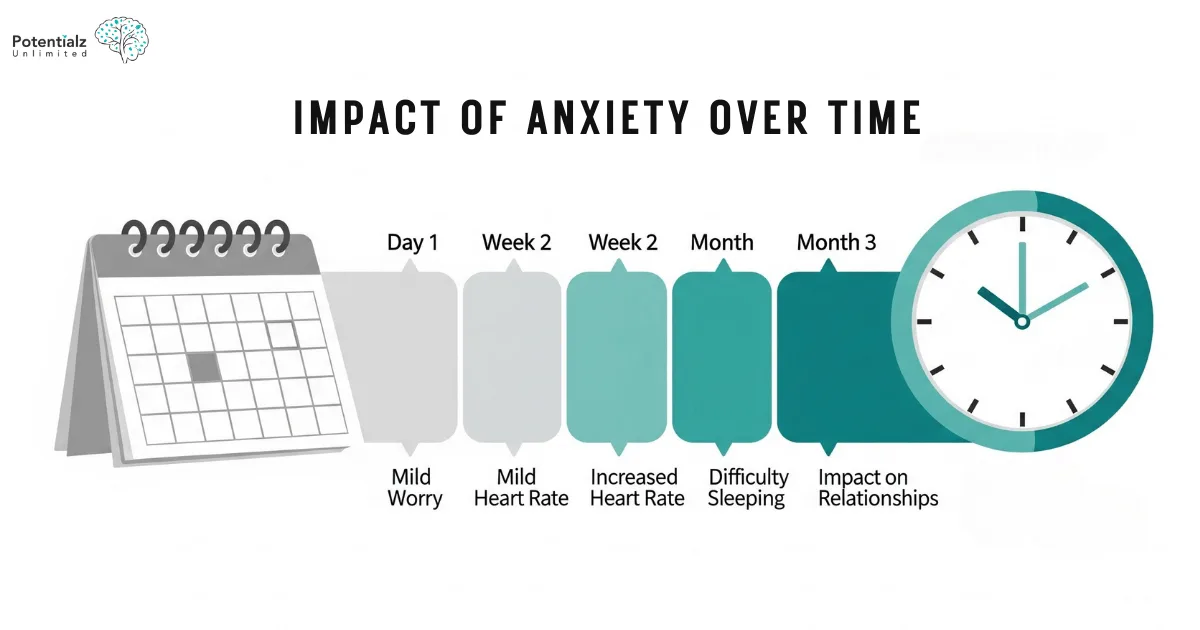 A calendar and clock-themed illustration showing the progression of anxiety symptoms over time
Types of Anxiety Disorders: Understanding Your Experience
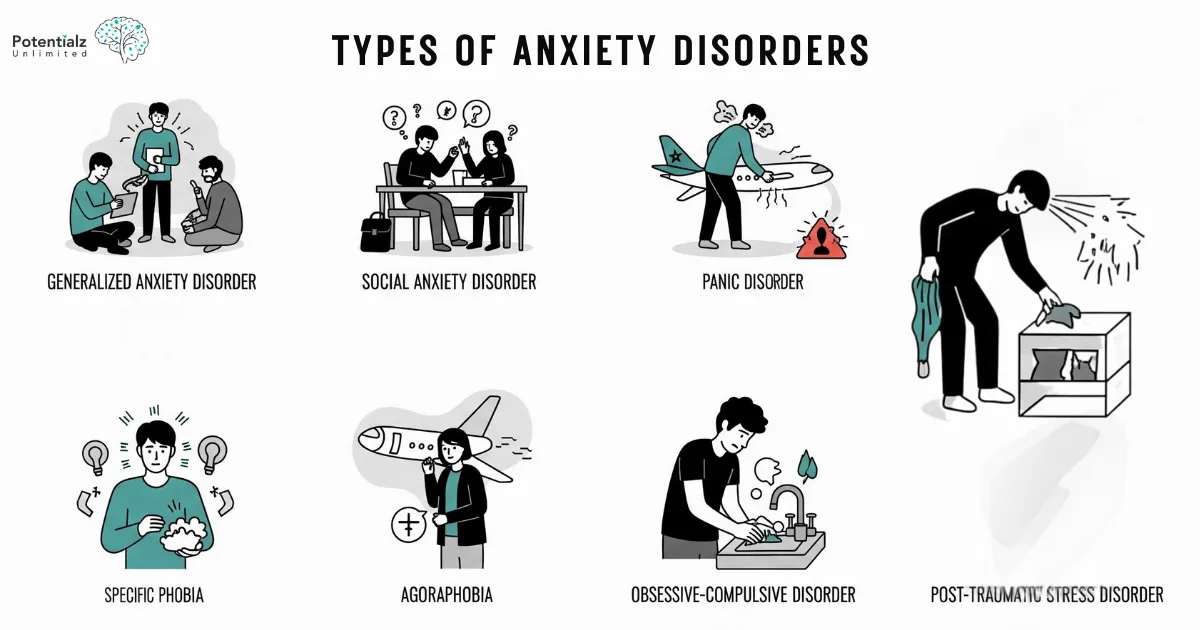
Generalized Anxiety Disorder (GAD)
Prevalence:
Affects approximately 3% of Australian adults annually, representing about 600,000 Australians.
Characteristics:
- Excessive worry about everyday activities and events
- Difficulty controlling worry despite recognizing it’s unrealistic
- Physical symptoms like muscle tension, fatigue, and restlessness
When to seek help:
When worry becomes the primary focus of your day and interferes with concentration, sleep, or relationships
Social Anxiety Disorder
Prevalence:
Affects approximately 2.3% of Australian adults, or about 460,000 Australians annually
Characteristics:
- Intense fear of social situations where you might be judged
- Fear of embarrassment or humiliation in social settings
- Physical symptoms like blushing, sweating, or trembling in social situations
When to seek help:
When social fears prevent you from pursuing education, career opportunities, or meaningful relationships
Panic Disorder
Prevalence:
Affects approximately 1.8% of Australian adults, representing about 360,000 Australians.
Characteristics:
- Recurrent, unexpected panic attacks
- Persistent worry about having another panic attack
- Changes in behavior to avoid situations that might trigger attacks
When to seek help:
After experiencing multiple panic attacks or when fear of panic attacks limits your activities.
Specific Phobias
Prevalence:
Most common anxiety disorder in Australia, affecting approximately 4.7% of adults (about 940,000 Australians).
Characteristics:
- Intense, irrational fear of specific objects or situations
- Immediate anxiety response when exposed to the feared stimulus
- Avoidance behavior that interferes with normal routines
When to seek help:
When the phobia significantly limits your life choices or causes severe distress.
Agoraphobia
Prevalence:
Affects approximately 0.4% of Australian adults (about 80,000 Australians).
Characteristics:
- Fear of being in situations where escape might be difficult
- Avoidance of public transportation, open spaces, or crowds
- May become housebound in severe cases
When to seek help:
When avoidance behaviors limit your independence or daily functioning.
Obsessive-Compulsive Disorder (OCD)
Prevalence:
Affects approximately 1.9% of Australian adults (about 380,000 Australians).
Characteristics:
- Intrusive, unwanted thoughts (obsessions)
- Repetitive behaviors or mental acts (compulsions) performed to reduce anxiety
- Time-consuming rituals that interfere with daily functioning
When to seek help:
When obsessions and compulsions take up more than one hour daily or significantly impact your life.
Post-Traumatic Stress Disorder (PTSD)
Prevalence:
Affects approximately 1.3% of Australian adults annually (about 260,000 Australians) Australian context: Higher rates among veterans, first responders, and those affected by natural disasters (bushfires, floods, cyclones).
Characteristics:
- Re-experiencing traumatic events through flashbacks or nightmares
- Avoidance of trauma-related triggers
- Negative changes in thinking and mood
- Hypervigilance and exaggerated startle response
When to seek help:
Following any traumatic experience that continues to impact daily functioning after one month.
Evidence-Based Treatment Options: What Really Works
Cognitive Behavioral Therapy (CBT): The Gold Standard
Cognitive behavioral therapy (CBT) is considered the gold standard in the psychotherapeutic treatment of anxiety disorders. Research consistently demonstrates that CBT appears to be both efficacious in randomized controlled trials and effective in naturalistic settings in the treatment of adult anxiety disorders.
How CBT Works for Anxiety:
CBT operates on the principle that thoughts, feelings, and behaviors are interconnected. By identifying and changing maladaptive thought patterns and behaviors, individuals can reduce anxiety symptoms and improve functioning.
Core CBT Components:
1. Psychoeducation:
- Understanding the nature of anxiety and its symptoms
- Learning about the fight-flight-freeze response
- Recognizing the relationship between thoughts, feelings, and behaviors
- Normalizing anxiety experiences and treatment expectations
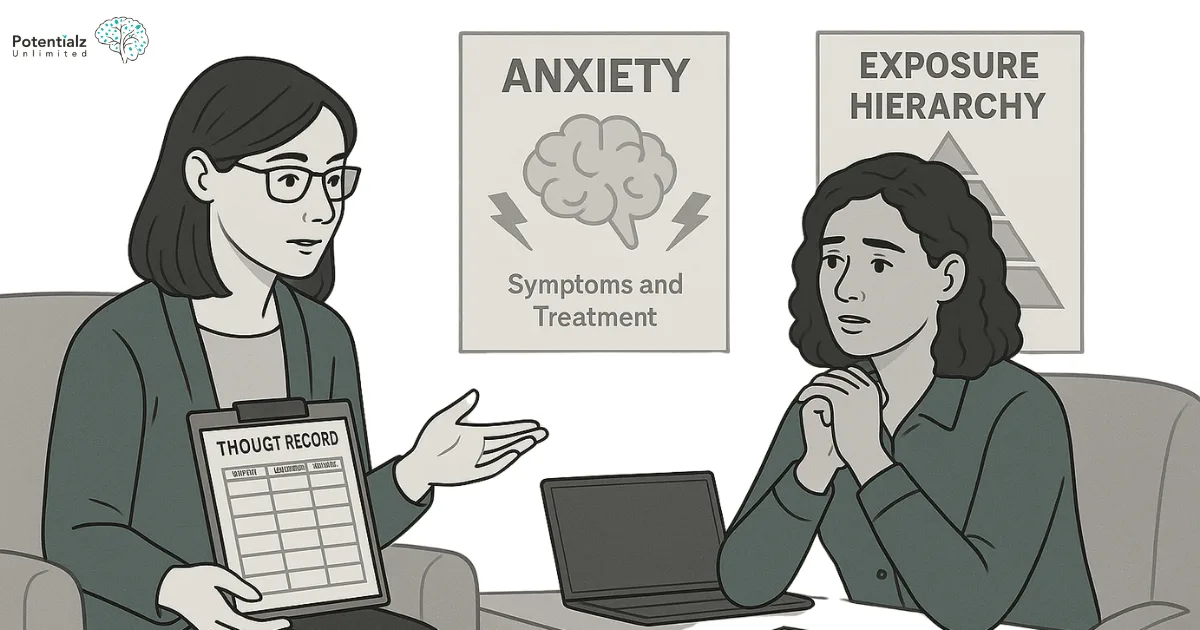
2. Cognitive Restructuring:
- Identifying anxiety-provoking thought patterns
- Challenging unrealistic or catastrophic thinking
- Developing more balanced, realistic thoughts
- Learning to distinguish between helpful worry and unhelpful rumination
3. Exposure Therapy:
- Gradual, systematic exposure to feared situations or stimuli
- Learning that anxiety naturally decreases over time without avoidance
- Building confidence through successful mastery experiences
- Research shows: Exposure-based CBT outperforms other forms of psychotherapy
4. Behavioral Strategies:
- Relaxation training and breathing techniques
- Activity scheduling and behavioral activation
- Sleep hygiene and lifestyle modifications
- Problem-solving skills training
CBT Effectiveness Research:
Recent meta-analyses show:
- Panic Disorder: Large effect sizes with uncontrolled pre- to post-treatment effects of 1.01 for panic attacks
- Social Anxiety: Effect size of 0.74 for social anxiety symptoms, with continued improvement 12 months post-treatment
- Generalized Anxiety: Significant improvements maintained at 12-month follow-up
- Overall: CBT demonstrates both efficacy and effectiveness across anxiety disorders
Other Evidence-Based Approaches
Acceptance and Commitment Therapy (ACT)
- Focuses on accepting anxiety rather than eliminating it
- Emphasizes values-based living despite anxiety symptoms
- Particularly effective for individuals who struggle with traditional CBT approaches
Mindfulness-Based Interventions
- Mindfulness-Based Stress Reduction (MBSR)
- Mindfulness-Based Cognitive Therapy (MBCT)
- Effective for reducing anxiety and preventing relapse
Dialectical Behavior Therapy (DBT)
- Particularly helpful for anxiety with emotional dysregulation
- Teaches distress tolerance and emotion regulation skills
- Effective for complex presentations with multiple diagnoses
Medication Options: When and How They Help
First-Line Medications
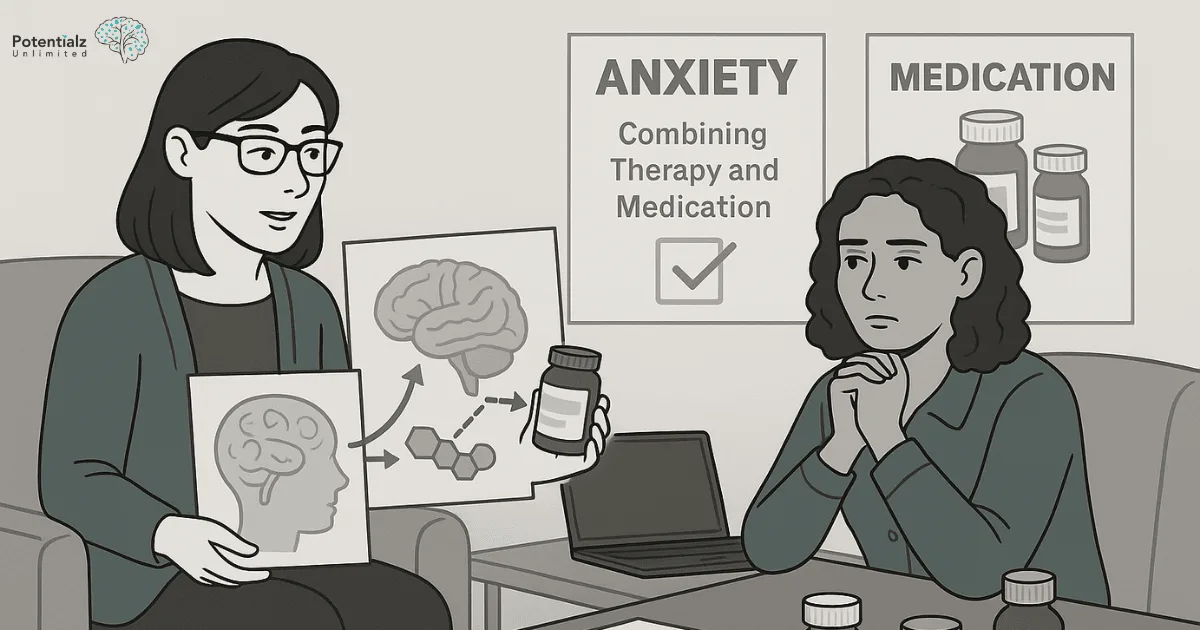
Selective Serotonin Reuptake Inhibitors (SSRIs):
- Examples: Sertraline (Zoloft), Escitalopram (Lexapro), Fluoxetine (Prozac)
- Effectiveness: Well-established efficacy across anxiety disorders
- Timeline: 4-6 weeks for full effect, with some improvement possible earlier
- Considerations: Generally well-tolerated with manageable side effects
Serotonin-Norepinephrine Reuptake Inhibitors (SNRIs):
- Examples: Venlafaxine (Effexor), Duloxetine (Cymbalta)
- Use: Particularly effective for GAD and social anxiety
- Benefits: May help with both anxiety and co-occurring depression
Accessing Psychiatric Care in Australia
GP Prescribing:
- Most anxiety medications can be prescribed by your regular GP
- Mental Health Treatment Plan helps coordinate care between GP and specialists
- Regular reviews ensure medication effectiveness and manage side effects
Psychiatrist Care:
- Referral required from GP for Medicare rebates
- Complex cases benefit from medication management by psychiatrists
Self-Help Strategies: Building Your Foundation
Evidence-Based Self-Help Techniques
While professional treatment is often necessary for anxiety disorders, self-help strategies can complement professional care or provide relief for milder anxiety symptoms.
Stress Management and Lifestyle Modifications
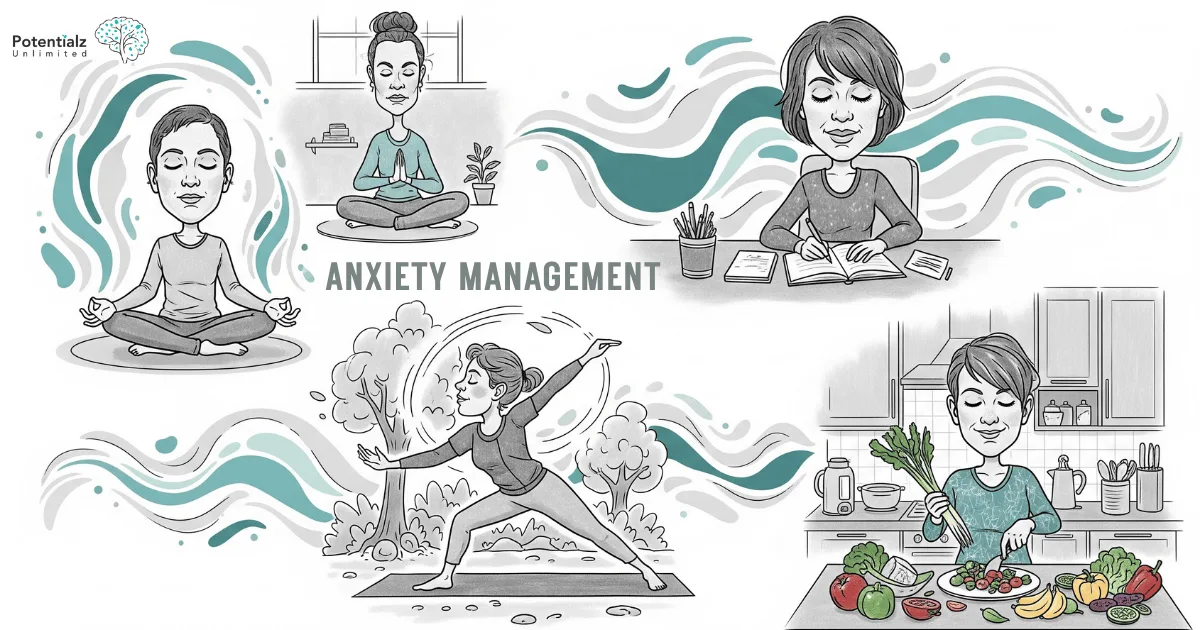
Regular Exercise:
- Research evidence: Exercise releases endorphins that improve mood while reducing stress levels
- Recommendation: Aim for 30 minutes of moderate exercise most days
- Types: Walking, swimming, yoga, cycling, or any enjoyable physical activity
- Timing: Avoid vigorous exercise close to bedtime
Sleep Hygiene:
- Consistent sleep schedule: Going to bed and waking up at the same time daily
- Sleep environment: Cool, dark, quiet bedroom optimized for rest
- Pre-sleep routine: Relaxing activities that signal bedtime to your brain
- Screen limitation: Avoiding electronic devices 1-2 hours before sleep
Nutrition for Anxiety Management:
- Limit caffeine: Especially in the afternoon and evening
- Reduce alcohol: While initially relaxing, alcohol disrupts sleep and can worsen anxiety
- Balanced meals: Regular eating patterns help stabilize blood sugar and mood
- Hydration: Dehydration can mimic or worsen anxiety symptoms
Mindfulness and Relaxation Techniques
Deep Breathing Exercises:
- 4-7-8 Technique: Inhale for 4, hold for 7, exhale for 8
- Diaphragmatic breathing: Focus on breathing from your belly, not chest
- Regular practice: Most effective when practiced daily, not just during anxiety
Progressive Muscle Relaxation:
- Systematic tension and release: Working through major muscle groups
- Body awareness: Learning to recognize and release physical tension
- Guided resources: Apps and recordings can provide structured guidance
Mindfulness Meditation:
- Present-moment focus: Observing thoughts and feelings without judgment
- Regular practice: Even 10 minutes daily can provide benefits
- Accessibility: Many free apps and online resources available
Cognitive Self-Help Strategies
Thought Monitoring:
- Awareness: Noticing anxious thoughts as they occur
- Recording: Writing down triggers and thought patterns
- Challenging: Asking “Is this thought realistic? What would I tell a friend?”
Worry Time:
- Scheduled worry: Setting aside 15-20 minutes daily for focused worry
- Containment: Outside of worry time, postponing anxious thoughts
- Structure: Using worry time for problem-solving rather than rumination
When Self-Help Isn’t Enough
Recognize the limits of self-help when:
- Symptoms persist despite consistent self-help efforts for 6-8 weeks
- Anxiety interferes with work, relationships, or daily functioning
- Self-help strategies seem to make anxiety worse
- You find yourself avoiding important life activities
- Physical symptoms are severe or concerning
Finding the Right Professional Help
Types of Mental Health Professionals
Clinical Psychologists
- Training: Masters or Doctoral degree in clinical psychology plus supervised practice
- Medicare rebates: Higher rebate rate ($145.25) compared to registered psychologists
- Trained In: Psychological assessment and complex mental health conditions
- Best for: Severe anxiety, complex presentations, or when assessment is needed
Registered Psychologists
- Training: Master or Doctoral degree in psychology plus supervised practice
- Medicare rebates: Standard rebate rate ($98.95) with Mental Health Treatment Plan
- Treatment approach: Evidence-based therapies including CBT, ACT, and others
- Best for: Most anxiety disorders and general mental health concerns
Accredited Mental Health Social Workers
- Training: Master’s degree in social work with mental health specialization
- Medicare rebates: Available with Mental Health Treatment Plan ($89.65)
- Trained In: Social and environmental factors affecting mental health
- Best for: Anxiety with social, family, or community factors
General Practitioners with Mental Health Training
- Training: Medical degree plus additional mental health qualifications
- Medicare rebates: Available for focused psychological strategies
- Treatment approach: Brief interventions and medication management
- Best for: Mild to moderate anxiety, medication management, coordination of care
Focused Anxiety Treatment Programs
Intensive Outpatient Programs (IOPs)
- Structure: Multiple therapy sessions per week
- Duration: Typically 4-12 weeks
- Components: Group therapy, individual sessions, family involvement
- Best for: Severe anxiety that hasn’t responded to weekly therapy
Partial Hospitalization Programs (PHP)
- Structure: Full-day treatment while living at home
- Intensity: 5-7 days per week for several weeks
- Components: Intensive therapy, medication management, skill groups
- Best for: Severe anxiety requiring intensive intervention
Residential Treatment
- Structure: 24-hour care in residential setting
- Duration: Typically 30-90 days
- Components: Comprehensive treatment including therapy, medication, life skills
- Best for: Severe, treatment-resistant anxiety with significant impairment
Finding Mental Health Services in Australia
Using Online Directories:
- Australian Psychological Society: Find qualified psychologists in your area
- Beyond Blue: Comprehensive directory of mental health professionals
- Healthdirect Service Finder: Government resource for finding healthcare providers
- Psychology Board of Australia: Verify practitioner registration and qualifications
Telehealth Options in Australia
Since COVID-19, telehealth mental health services have become permanently available through Medicare:
- Individual telehealth sessions covered by Medicare for all Australians
- Particularly beneficial for rural and remote areas
- Same Medicare rebates as face-to-face sessions
- Flexible access without location barriers
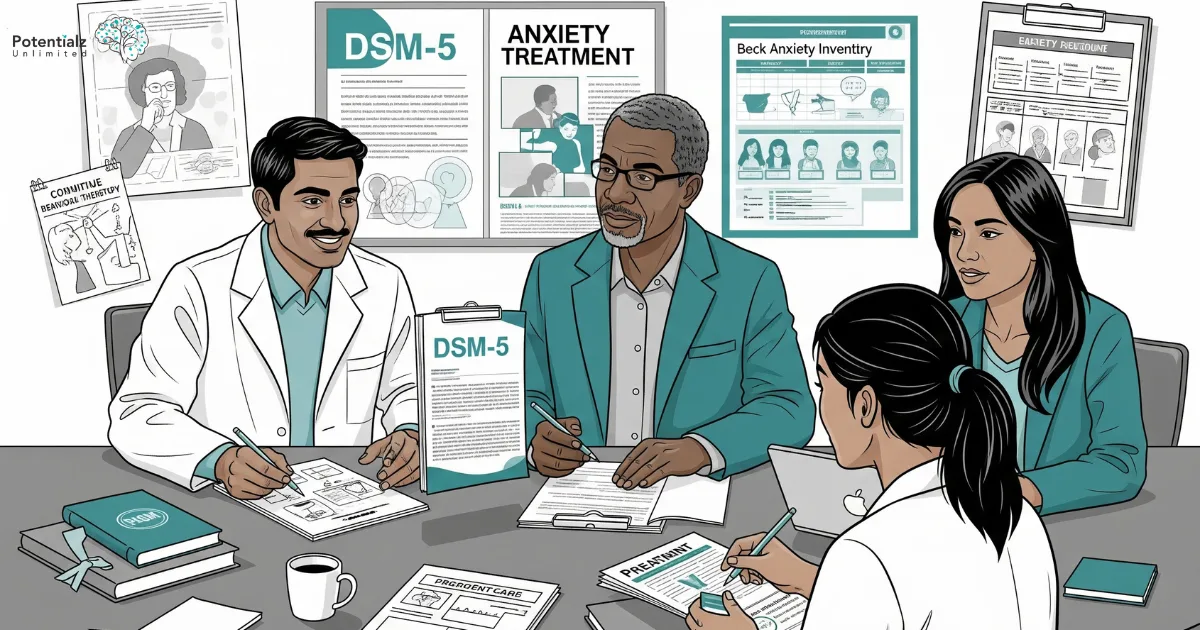
Questions to Ask When Choosing a Provider
About Medicare and Costs:
- Do you offer bulk billing for Mental Health Treatment Plan sessions?
- What are your fees, and what will my out-of-pocket costs be?
- Do you accept my private health insurance for additional sessions?
- Can you provide telehealth sessions if needed?
About Treatment in Australian Context:
- Are you familiar with Australian Mental Health Treatment Plans?
- How do you coordinate care with my GP?
- What evidence-based treatments do you provide?
- How long do you typically expect treatment to take?
Overcoming Barriers to Seeking Help
Common Barriers and Solutions
Stigma and Shame
- Barrier: “People will think I’m weak if I need therapy”
- Reality: Seeking help demonstrates strength and self-awareness
- Solution: Remember that anxiety disorders are medical conditions, not character flaws.
Many successful, accomplished people seek therapy for anxiety.
Australian-Specific Barriers and Solutions
Cost and Medicare Limitations
- Barrier: “I can only afford 10 sessions per year through Medicare”
- Solutions: Many providers offer sliding-scale fees for additional sessions
Employee Assistance Programs (EAPs) often provide extra sessions
Some community health centers offer low-cost or free services
Private health insurance may cover psychology sessions (extras cover)
Geographic Access in Australia
- Barrier: “I live in a rural or remote area with limited mental health services”
- Solutions: Telehealth psychology sessions covered by Medicare nationwide
Flying Doctor Service mental health programs in remote areas
Regional mental health services through local health districts
Mobile mental health services in some rural areas
Waiting Lists and Availability
- Barrier: “There are long waiting lists for mental health services”
- Solutions: Medicare Mental Health Centres provide immediate access (no appointment needed)
Crisis services available through Lifeline (13 11 14) or Beyond Blue (1300 22 4636)
Online therapy programs like MindSpot Clinic offer free, immediate access
Private practice psychology often has shorter waiting times
Cultural and Language Barriers
- Barrier: “I need services in my language or culturally appropriate care”
- Solutions: Multicultural mental health services available in major cities
Interpreter services covered by Medicare for mental health appointments
Cultural liaison officers in public mental health services
Community-specific mental health programs (CALD, LGBTI+, Indigenous)
Making the First Appointment
Preparing for Your First Session:
- Write down your symptoms and how they affect your life
- List your goals for treatment
- Prepare your medical history and current medications
- Think about your support system and resources
- Consider your preferences for treatment approach
What to Expect:
- Assessment: Detailed discussion of symptoms, history, and goals
- Diagnosis: Professional evaluation of your specific anxiety concerns
- Treatment planning: Collaborative development of treatment approach
- Timeline: Discussion of expected length and frequency of treatment
Supporting Someone with Anxiety
How to Help a Loved One
What To Do:
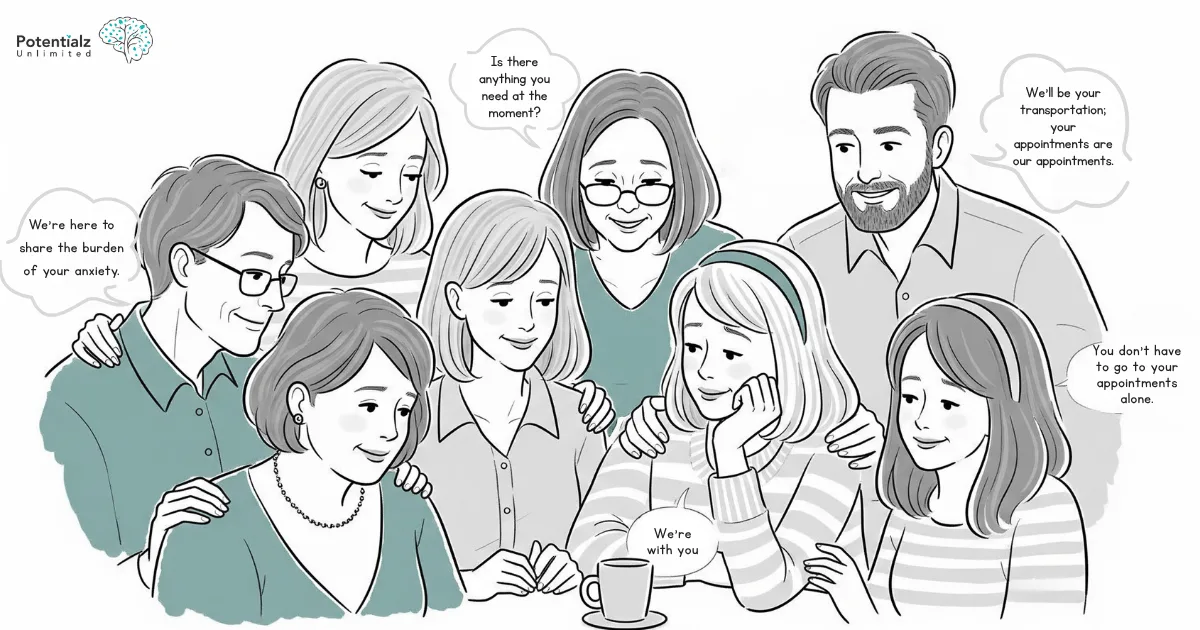
- Listen without judgment: Provide a safe space for them to share their feelings
- Validate their experience: Acknowledge that their anxiety is real and challenging
- Encourage professional help: Gently suggest seeking professional support
- Learn about anxiety: Educate yourself about anxiety disorders and treatments
- Be patient: Recovery takes time and may involve setbacks
What NOT To Do:
- Minimize their experience: Avoid saying “just relax” or “everyone gets anxious”
- Enable avoidance: Don’t consistently accommodate all anxiety-related avoidance
- Push too hard: Respect their pace while encouraging progress
- Take it personally: Remember that anxiety symptoms aren’t about you
- Ignore warning signs: Take any mentions of self-harm seriously
Supporting Treatment:
- Help with appointments: Assist with scheduling or transportation if needed
- Respect confidentiality: Don’t pressure them to share therapy details
- Celebrate progress: Acknowledge small steps and improvements
- Maintain your own well-being: Use your own support systems and self-care
When to Seek Emergency Help
Call emergency services (911) immediately if someone:
- Expresses suicidal thoughts or plans
- Shows signs of psychosis (hallucinations, delusions)
- Is unable to care for themselves
- Has made a suicide attempt
- Is using substances dangerously to cope with anxiety
Crisis Resources in Australia:
- Lifeline: 13 11 14 (24/7 crisis support)
- Beyond Blue: 1300 22 4636 (anxiety and depression support)
- Kids Helpline: 1800 55 1800 (for young people 5-25 years)
- 13YARN: 13 92 76 (Aboriginal and Torres Strait Islander crisis support)
- Emergency services: 000 for immediate danger
- Medicare Mental Health Centres: Walk-in support without appointment
Building Long-Term Recovery and Resilience
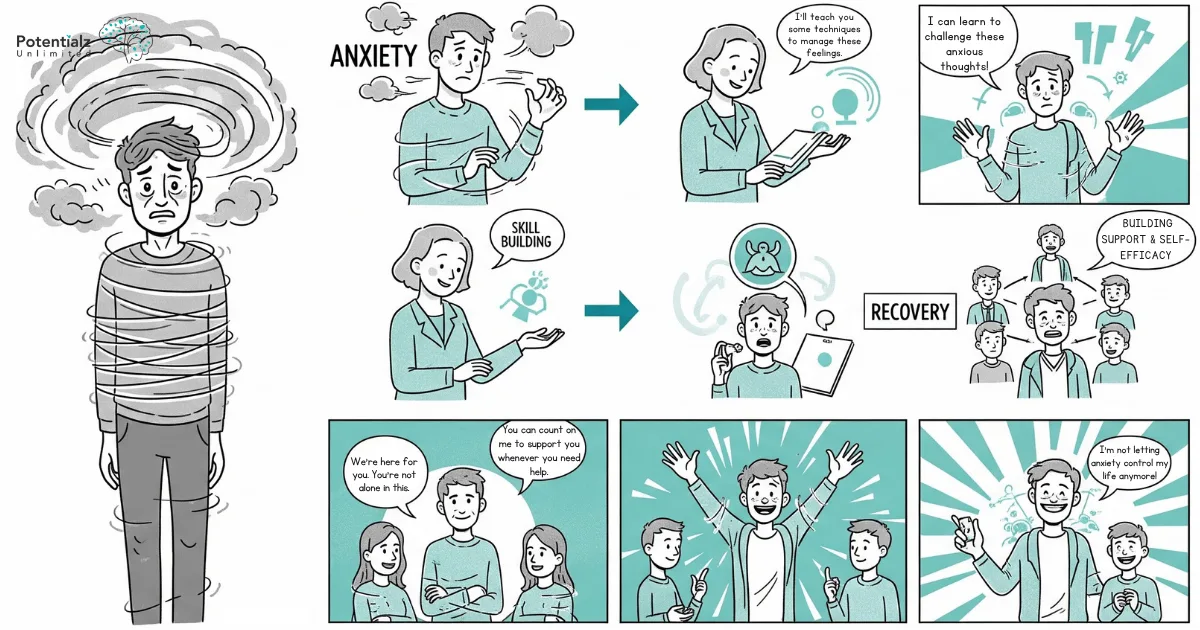
The Recovery Process: What to Expect
Phase 1: Initial Stabilization (Weeks 1-4)
- Learning about anxiety and treatment
- Developing basic coping skills
- Stabilizing crisis symptoms
- Building therapeutic relationship
- Common experience: Some symptoms may initially increase as you become more aware
Phase 2: Active Treatment (Weeks 4-16)
- Implementing specific therapeutic techniques
- Gradual exposure to feared situations
- Developing new thought patterns
- Practicing skills in daily life
- Common experience: Gradual improvement with some setbacks
Phase 3: Consolidation (Weeks 16-24)
- Generalizing skills to multiple situations
- Preparing for treatment conclusion
- Developing relapse prevention strategies
- Building independence in symptom management
- Common experience: Increased confidence and skill mastery
Phase 4: Maintenance (Ongoing)
- Periodic check-ins with therapist
- Continued skill practice and refinement
- Managing life stressors with learned tools
- Seeking support when needed
- Common experience: Ability to manage anxiety independently with occasional support
Measuring Progress
Quantitative Measures:
- Frequency: How often anxiety episodes occur
- Intensity: How severe anxiety feels on a scale of 1-10
- Duration: How long anxiety episodes last
- Functioning: Ability to engage in work, relationships, and activities
Qualitative Improvements:
- Confidence: Increased belief in your ability to handle anxiety
- Flexibility: Ability to adapt when anxiety occurs
- Perspective: Seeing anxiety as manageable rather than overwhelming
- Relationships: Improved connections with others
- Life satisfaction: Greater enjoyment and engagement in life
Preventing Relapse
Risk Factors for Relapse:
- Major life stressors (job loss, relationship changes, health issues)
- Discontinuing treatment prematurely
- Stopping self-care practices
- Substance use
- Social isolation
Protection Factors:
- Continued skill practice: Regular use of learned coping strategies
- Strong support system: Maintaining connections with helpful people
- Self-awareness: Recognizing early warning signs
- Professional check-ins: Periodic sessions to maintain progress
- Healthy lifestyle: Exercise, sleep, nutrition, stress management
Creating Your Relapse Prevention Plan:
- Identify your warning signs: Early symptoms that anxiety is increasing
- List your coping strategies: Specific techniques that work for you
- Know your support system: People you can contact for help
- Plan for high-risk situations: Strategies for managing known triggers
- Keep professional contacts: Therapist information for quick re-engagement
Test Your Knowledge
Key Takeaways: Taking the Next Step Toward Anxiety Recovery
Bottom Line Up Front: Anxiety disorders are highly treatable medical conditions with well-established, evidence-based interventions. Recognizing when anxiety requires professional help and taking action to seek appropriate treatment can dramatically improve quality of life and long-term outcomes.
Essential Recognition Points:
- Anxiety becomes a disorder when it persistently interferes with daily functioning across multiple life areas
- Professional help is indicated when symptoms last 6+ months, cause significant distress, or impair work, relationships, or daily activities
- Australia offers excellent support through Medicare-subsidized psychology sessions and comprehensive mental health services
- Evidence-based treatments are accessible with strong research support, particularly Cognitive Behavioral Therapy
- Treatment works - most people experience significant improvement with appropriate intervention
Your Action Steps:
- This week: Honestly assess whether your anxiety meets the criteria outlined in this guide
- Visit your GP: Discuss your mental health concerns and request a Mental Health Treatment Plan if appropriate
- Find a provider: Use Australian directories to locate a suitable psychologist or mental health professional
- Consider telehealth: If location or scheduling is challenging, explore Medicare-covered telehealth options
- Start today: Begin implementing evidence-based self-help strategies while arranging professional support
Remember: As an Australian resident, you have access to world-class mental health services through Medicare. The decision to seek help represents a turning point from suffering to recovery, and with Australia’s comprehensive healthcare system, effective treatment is both accessible and affordable.
Final Thoughts: Anxiety disorders affect millions of people worldwide, and effective treatments are readily available. The decision to seek help often represents a turning point from suffering to recovery. Every day you wait is another day that anxiety controls your life instead of you controlling it. Professional help can provide you with the tools, support, and guidance needed to reclaim your life from anxiety.
Your journey toward anxiety recovery begins with a single step - recognizing that help is available and that you deserve to live free from the limitations that anxiety imposes. Take that step today.
References
- Australian Bureau of Statistics. (2023). National Study of Mental Health and Wellbeing, 2020-2022. Retrieved from https://www.abs.gov.au/statistics/health/mental-health/national-study-mental-health-and-wellbeing/latest-release
- Australian Government Department of Health and Aged Care. (2025). Better Access initiative. Retrieved from https://www.health.gov.au/our-work/better-access-initiative
- Beyond Blue. (2024). Find a mental health professional. Retrieved from https://www.beyondblue.org.au/get-support/find-a-mental-health-professional
- Carl, E., Witcraft, S. M., Kauffman, B. Y., Gillespie, E. M., Becker, E. S., Cuijpers, P., … & Powers, M. B. (2023). Efficacy of cognitive behavioral therapy for anxiety-related disorders: A meta-analysis of recent literature. Current Psychiatry Reports, 25(1), 1-11.
- Health Direct Australia. (2025). Cognitive behaviour therapy (CBT). Retrieved from https://www.healthdirect.gov.au/cognitive-behaviour-therapy-cbt
- Hofmann, S. G., & Otto, M. W. (2017). Cognitive-behavioral therapy for adult anxiety disorders: A meta-analysis of randomized placebo-controlled trials. Journal of Clinical Psychiatry, 69(4), 621-632.
- Services Australia. (2024). Mental health care and Medicare. Retrieved from https://www.servicesaustralia.gov.au/mental-health-care-and-medicare
- Slade, T., Vescovi, J., Chapman, C., Teesson, M., Arya, V., Pirkis, J., … & Sunderland, M. (2024). The epidemiology of mental and substance use disorders in Australia 2020-22: Prevalence, socio-demographic correlates, severity, impairment and changes over time. Epidemiology and Psychiatric Sciences, 33, e47.
- World Health Organization. (2023). Anxiety disorders. Retrieved from https://www.who.int/news-room/fact-sheets/detail/anxiety-disorders
Need Professional Support?
If you're experiencing mental health concerns, our team is here to help.