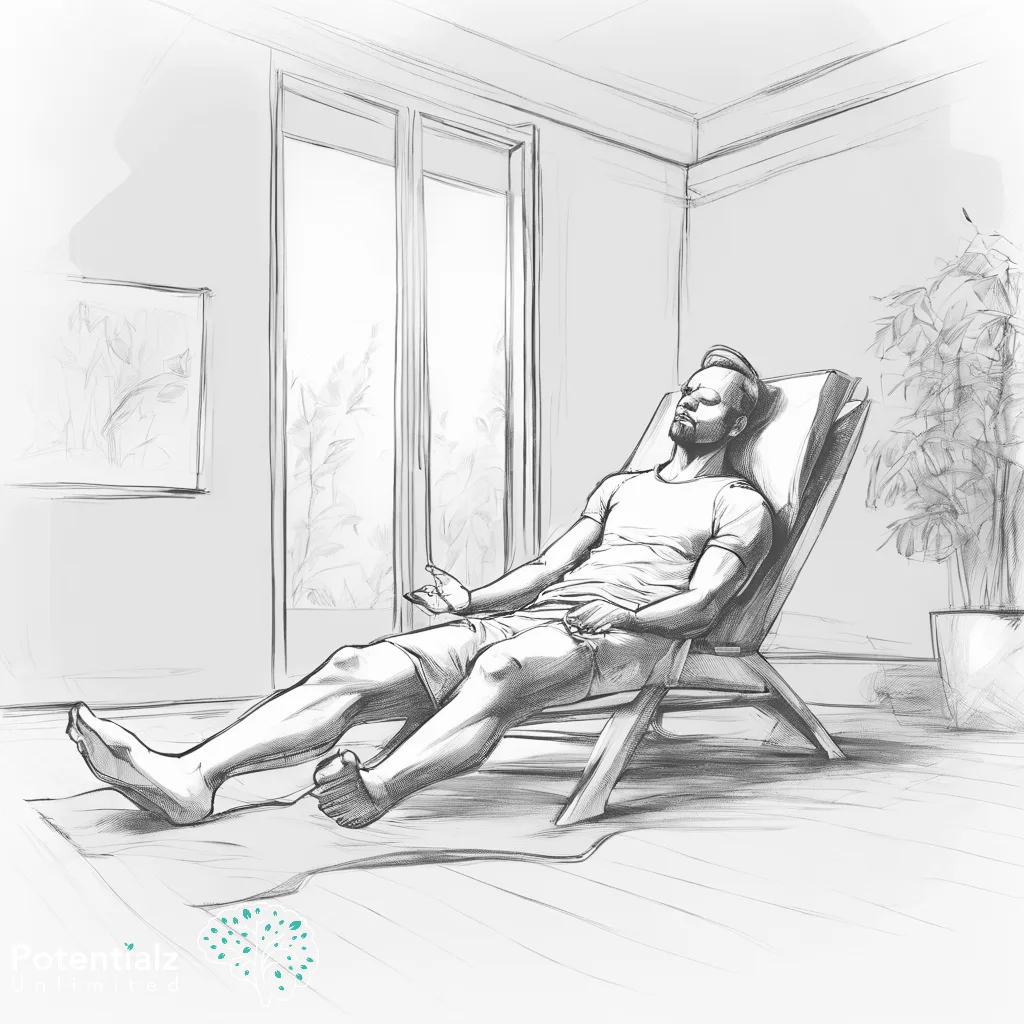
Introduction: Understanding Progressive Muscular Relaxation (PMR)
In today’s fast-paced world, stress can easily accumulate and affect our physical and mental well-being. One powerful yet often overlooked technique for managing stress is Progressive Muscular Relaxation (PMR). This structured practice helps to release tension in the body, promoting relaxation and overall calm. In this post, we’ll explore what PMR is, how it works, and provide step-by-step instructions on how to effectively incorporate it into your stress management routine with the help of psychologists.
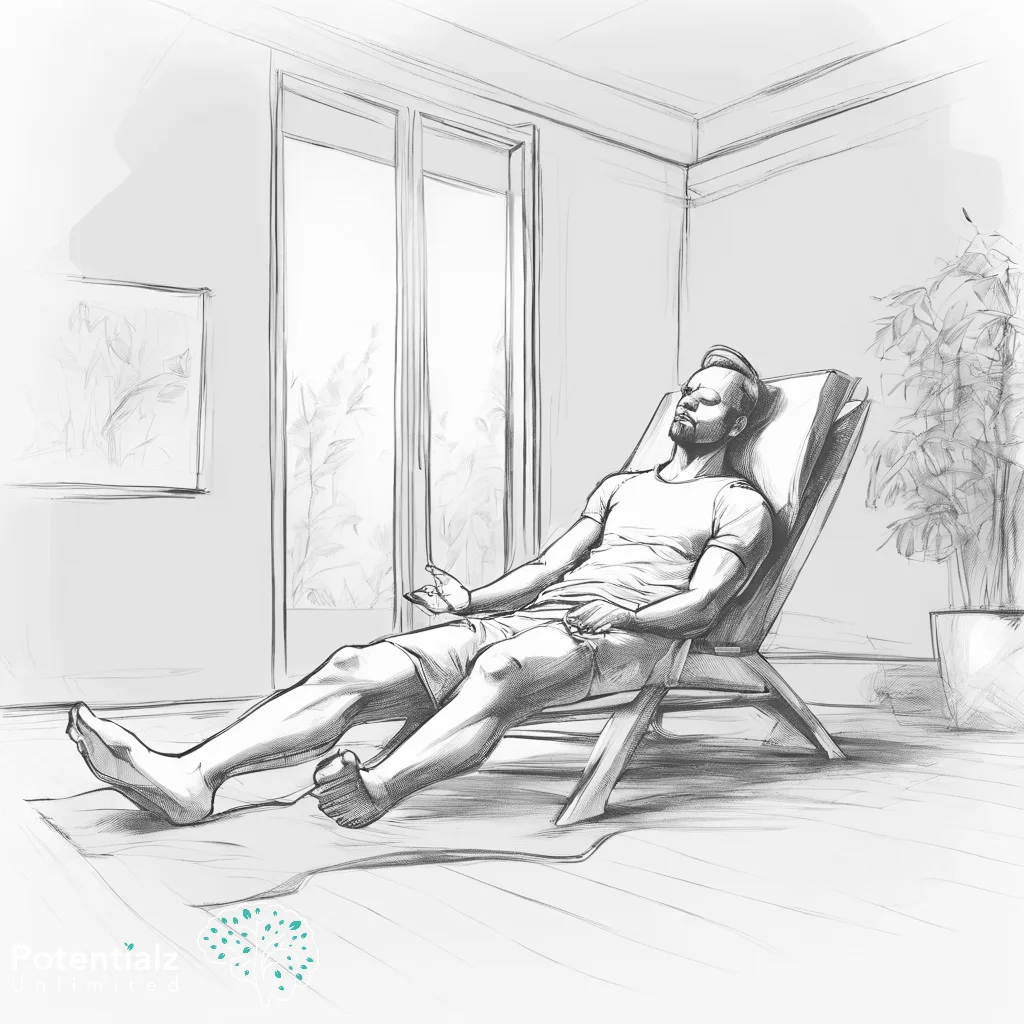
What is Progressive Muscular Relaxation (PMR)?
Progressive Muscular Relaxation is a technique developed by Dr. Edmund Jacobson in the early 20th century. It involves systematically tensing and then relaxing different muscle groups in the body, which can reduce bodily tension and create an immediate sense of relief (Jacobson, 1938). By becoming more aware of physical sensations, PMR reinforces the mind-body connection, making it a powerful tool for stress management (Calm, 2023).
How Does PMR Work for Stress Management?
PMR works by enabling individuals to recognize body tension and consciously release it. This practice not only alleviates physical tension but also calms the mind. Research has shown that regular use of PMR can help lower anxiety, improve sleep quality, and enhance overall mental health (Mayo Clinic, 2023).
Step 1: Find a Quiet, Comfortable Space
To begin your PMR practice, choose a quiet space free from distractions. Sit or lie down comfortably, ensuring that you won’t be interrupted. This helps create an environment conducive to relaxation (Healthline, 2023).
Step 2: Start with Deep Breathing
Before diving into the muscle relaxation aspect, take a few minutes to focus on your breath. Inhale deeply through your nose, allowing your abdomen to rise, and exhale slowly through your mouth. Repeat this for several breaths to induce a sense of calm (NCBI, 2023).
Step 3: Progressively Tense and Relax Muscle Groups
- Foot and Calf Muscles: Start by tensing your feet and calves for five seconds, then release and notice the difference.
- Thighs: Tense your thighs, hold, then relax.
- Glutes: Squeeze your glutes tightly, hold, and then let go.
- **Abdomen: **Flex your stomach muscles, hold, and release.
- Arms and Hands: Tighten your arms and fists, hold, then relax.
- Shoulders and Neck: Raise your shoulders towards your ears, hold, and drop them for relief.
- **Face: **Scrunch up your facial features tightly, hold, and release (NCBI, 2023).
Step 4: Observe the Sensations
As you relax each muscle group, take a moment to note the sensations in your body. You may feel warmth, heaviness, or a sense of lightness. This mindfulness aspect of PMR is essential for its effectiveness in managing stress (Calm, 2023).
Step 5: Incorporate PMR into Your Routine
Consistency is key for effectively using PMR as a stress management tool. Consider integrating this practice into your daily routine, perhaps in the morning to set a positive tone for the day or at night to unwind before bed.
Conclusion: Empower Yourself with PMR
Incorporating Progressive Muscular Relaxation into your stress management toolkit can lead to profound benefits for both your body and mind. By committing to regular practice, you equip yourself with the techniques needed to tackle stress head-on. So take a deep breath, relax, and start your journey toward a more tranquil and balanced life.
References
- Calm. (2023). What is progressive muscle relaxation (and how to practice it). Retrieved from https://www.calm.com/blog/progressive-muscle-relaxation
- Healthline. (2023). Progressive muscle relaxation: Benefits, how-to, technique. Retrieved from https://www.healthline.com/health/progressive-muscle-relaxation
- Jacobson, E. (1938). Progressive relaxation. University of Chicago Press.
- Mayo Clinic. (2023). Progressive muscle relaxation. Retrieved from https://www.mayoclinic.org/healthy-lifestyle/stress-management/in-depth/relaxation-technique/art-20045368
- NCBI. (2023). Relaxation techniques - StatPearls. Retrieved from https://www.ncbi.nlm.nih.gov/books/NBK513238/
Need Professional Support?
If you're experiencing mental health concerns, our team is here to help.