Stress is an unavoidable part of life, but understanding how it impacts your body and learning ways to manage it can make a significant difference in your overall health. Let’s dive into the physiological effects of stress and explore effective strategies to mitigate its impact.
What Happens to Your Body During Stress?
Stress triggers a complex physiological response known as the “fight-or-flight” mechanism. This reaction is designed to help you respond to immediate threats, but when stress becomes chronic, it can wreak havoc on your body.
Cardiovascular and Respiratory Systems
- Increased Heart Rate and Blood Pressure: Stress hormones like adrenaline and cortisol cause your heart to beat faster, pumping blood to your muscles for quick action. Over time, chronic stress can lead to high blood pressure and an increased risk of heart disease.
- Rapid Breathing: Stress accelerates your breathing rate to supply more oxygen to your body. For individuals with respiratory conditions such as asthma, this can exacerbate breathing difficulties.
Digestive System
- Upset Stomach: Stress can disrupt the brain-gut connection, leading to bloating, acid reflux, or irritable bowel syndrome (IBS).
- Appetite Changes: Some people may overeat as a coping mechanism, while others lose their appetite entirely. Chronic stress can also increase glucose production in the body, raising the risk of type 2 diabetes.
Musculoskeletal System
- Muscle Tension: During stress, muscles tighten as part of the fight-or-flight response. Chronic stress keeps them tense, leading to headaches, back pain, and worsening conditions like fibromyalgia.
Immune System
- Weakened Immunity: Prolonged stress suppresses the immune system, making you more vulnerable to infections and illnesses.
Skin and Hair
- Skin Sensitivity: Stress hormones increase oil production in the skin, potentially causing acne.
- Hair Loss: Chronic stress may lead to hair thinning or loss due to hormonal imbalances.
Mental Health
Stress doesn’t just affect your body—it impacts your mind too. Chronic stress is linked to anxiety, depression, memory problems, and difficulty concentrating.
The Long-Term Effects of Chronic Stress
When stress becomes a constant presence in your life, it can lead to severe health issues:
- Increased risk of heart attacks and strokes.
- Weight gain due to overeating or disrupted sleep patterns.
- Sleep problems that worsen fatigue and irritability.
- Mental health disorders such as anxiety and depression.
How Can You Manage Stress Effectively?
The good news is that there are numerous ways to reduce stress and its harmful effects on your body. Here are some evidence-based strategies:
Relaxation Techniques
1. Deep Breathing Exercises
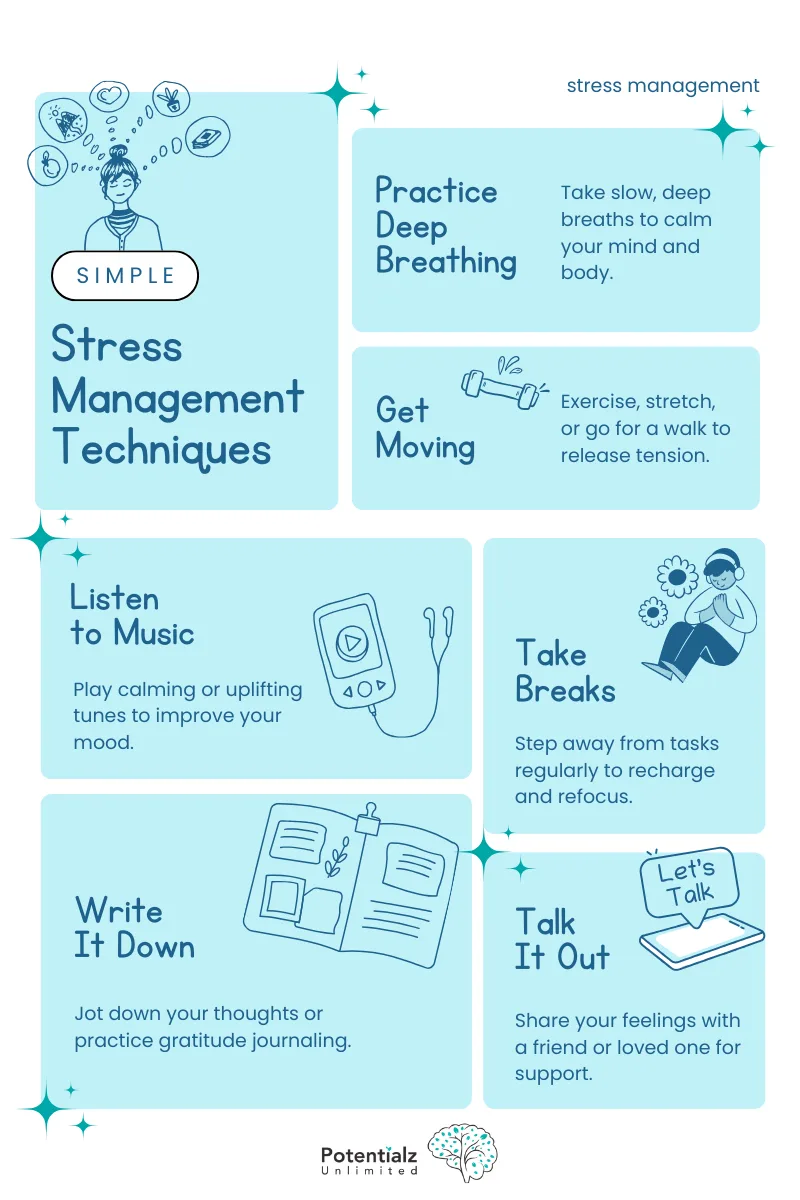
- Slow breathing calms your nervous system by reducing heart rate and cortisol levels. Try inhaling for three seconds and exhaling for six seconds.
2. Progressive Muscle Relaxation
- Tense each muscle group for a few seconds before releasing them. This helps relieve physical tension caused by stress.
3. Guided Imagery
- Imagine yourself in a peaceful place like a beach or forest. Visualizing calming scenes can reduce stress instantly.
Mindfulness Practices
1. Meditation
- Regular meditation reduces anxiety and improves focus by bringing you into the present moment.
2. Mindfulness Breaks
- Focus on sensory experiences during daily activities like drinking tea or taking a walk in nature.
3. Gratitude Journaling
- Writing down things you’re thankful for shifts focus away from stressful thoughts.
Physical Activity
Exercise is one of the most effective ways to combat stress:
- Aim for at least 150 minutes of moderate exercise per week, such as brisk walking or yoga.
- Physical activity releases endorphins—your body’s natural mood boosters—and helps relax tense muscles.
Healthy Lifestyle Habits
1. Balanced Diet
- Eat plenty of fruits, vegetables, and omega-rich foods while avoiding excessive caffeine or alcohol consumption.
2. Sleep Hygiene
- Establish a consistent sleep schedule and avoid screens before bedtime for better rest.
3. Social Connections
- Spending time with loved ones reduces feelings of isolation and boosts mood through oxytocin release—a hormone that counters stress.
Quick Tips for On-the-Go Stress Relief
Sometimes you need immediate solutions for stressful moments:
- Take slow breaths during a meeting or exam.
- Stretch briefly at your desk.
- Listen to calming music or a podcast.
- Count backward from 10 before responding in heated situations.
Conclusion: What Science Tells Us About Stress Managment
Unchecked stress doesn’t just make you feel overwhelmed—it can lead to severe health complications over time. By incorporating science-backed, evidence-based effective stress management techniques such as relaxation techniques, mindfulness practices, physical activity, and healthy habits into your routine, you can build resilience against life’s challenges.
Remember: managing stress isn’t about eliminating it completely—it’s about finding balance so you can thrive physically and mentally.
References
- American Psychological Association (2025). How stress affects your health. Retrieved from https://www.apa.org/topics/stress/health
- Better Health Channel (1999). Stress. Retrieved from https://www.betterhealth.vic.gov.au/health/healthyliving/stress
- Harvard Health Publishing (2024). Understanding the stress response. Retrieved from https://www.health.harvard.edu/staying-healthy/understanding-the-stress-response
- Healthline (2025). 16 Simple Ways to Relieve Stress and Anxiety. Retrieved from https://www.healthline.com/nutrition/16-ways-relieve-stress-anxiety
- HealthDirect Australia (2025). Relaxation techniques for stress relief. Retrieved from https://www.healthdirect.gov.au/relaxation-techniques-for-stress-relief
- WebMD (2023). Ways to Manage Stress. Retrieved from https://www.webmd.com/balance/stress-management/stress-management
- Verywell Mind (2006). 18 Effective Stress Relief Strategies. Retrieved from https://www.verywellmind.com/tips-to-reduce-stress-3145195
Need Professional Support?
If you're experiencing mental health concerns, our team is here to help.