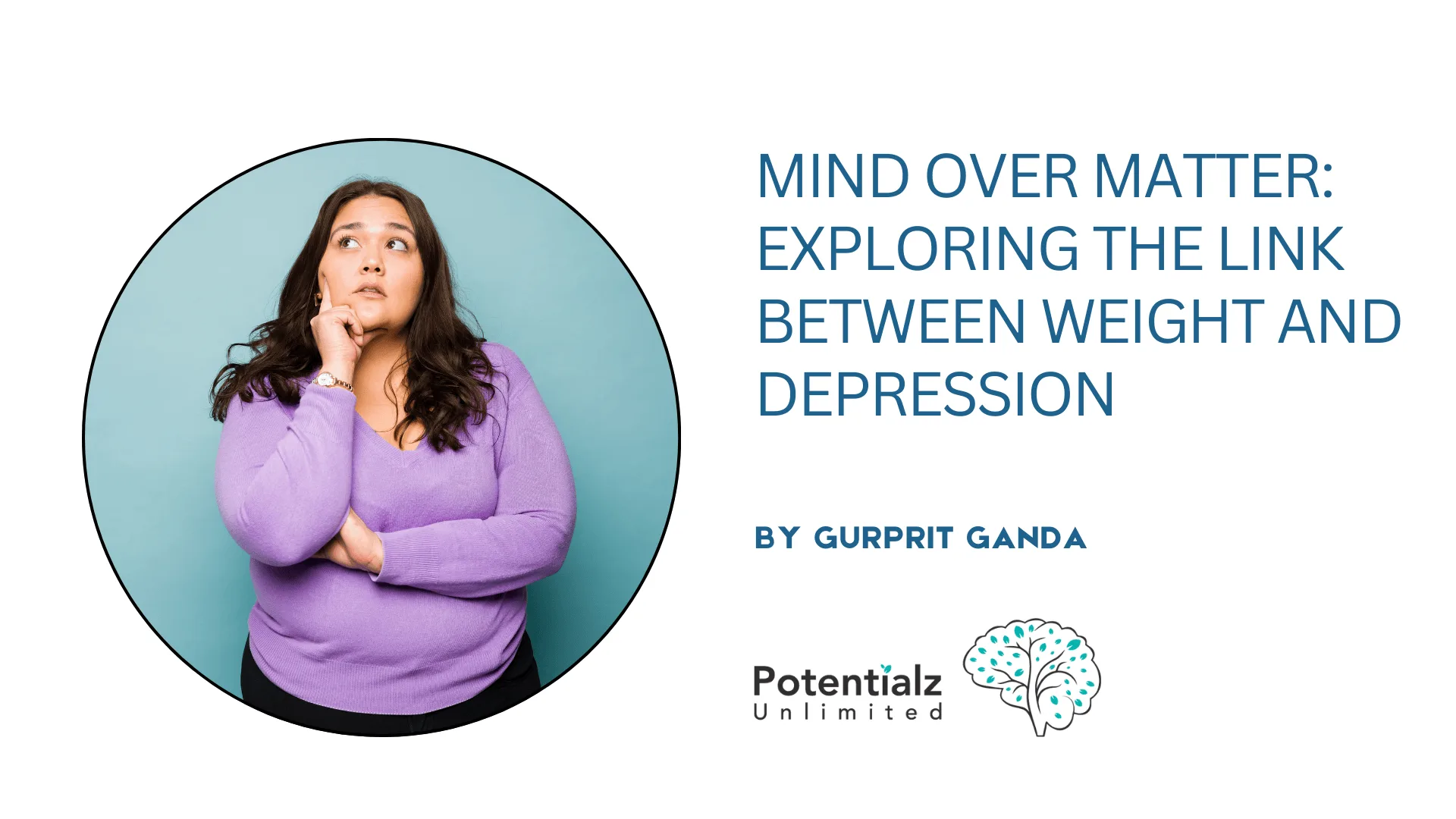
Depression and weight issues are two of the most common health challenges people face today. Both can affect anyone, regardless of age, gender, or background. But what many people don’t realize is that these two problems are often connected in a complex way. This blog explores how weight and depression influence each other, why this connection matters, and what steps you can take to break free from the cycle.
The Vicious Cycle: Weight and Depression
Imagine being stuck in a loop where one problem feeds into another. That’s what happens with weight and depression. For many people, gaining weight can lead to feelings of sadness or hopelessness because of body image concerns or social stigma. On the flip side, depression can cause changes in eating habits and energy levels, leading to weight gain or loss. This back-and-forth relationship creates a vicious cycle that can be hard to escape.
Biological Mechanisms at Play
To understand why weight and depression are so closely linked, we need to look at what’s happening inside the body. Scientists have found that biological changes caused by obesity can affect mental health—and vice versa.
Inflammation and Brain Function
Obesity often leads to inflammation in the body. Inflammation isn’t always bad; it’s your body’s way of fighting off infections. But when it becomes chronic (long-term), it can harm your brain. This type of inflammation affects areas of the brain responsible for mood regulation, making you more likely to experience depression.
Stress Hormones
When you’re stressed, your body releases a hormone called cortisol. Cortisol helps you deal with short-term stress, but if your stress lasts too long, cortisol levels stay high. High cortisol levels can lead to weight gain, especially around your belly area, and also make you feel more anxious or depressed.
Emotional Eating vs. Appetite Loss
Depression affects how people eat—but not everyone reacts the same way. Some people turn to food for comfort, while others lose their appetite entirely.
Emotional Eating
Have you ever eaten a tub of ice cream after a bad day? That’s emotional eating. When you’re feeling down, sugary or fatty foods can temporarily boost your mood because they release “feel-good” chemicals like dopamine in your brain. But relying on food for comfort can lead to overeating and weight gain over time.
Appetite Loss
For others, depression has the opposite effect—it kills their appetite. If you’ve ever felt so sad that you couldn’t eat, you’re not alone. Appetite loss during depression can lead to unhealthy weight loss and make it harder for your body to get the nutrients it needs.
The Role of Lifestyle Factors
Your lifestyle also plays a big role in the connection between weight and depression. Things like sleep, exercise, and daily habits can either make the problem worse or help fix it.
Sleep Disturbances
Both obesity and depression are linked to poor sleep quality. People with depression often struggle with insomnia (difficulty sleeping) or hypersomnia (sleeping too much). Obesity can also cause sleep apnea—a condition where your breathing stops briefly during sleep—which leaves you feeling tired during the day. Poor sleep makes it harder for your body to regulate hormones that control hunger and mood.
Sedentary Lifestyles
Depression often drains your energy, making it hard to stay active. But being inactive has consequences—it slows down your metabolism and makes weight gain more likely. At the same time, carrying extra weight can make physical activity feel harder than it should be, creating another cycle that’s tough to break.
Breaking Free: Solutions for a Healthier You
The good news is that this cycle isn’t permanent—you can break free from it! Here are some practical steps you can take to improve both your mental health and physical health:
1. Seek Professional Help
If you’re struggling with weight or depression (or both), don’t try to handle it alone—reach out for help! A doctor or therapist can create a personalized plan just for you. They might recommend therapy sessions, medications, or support groups that address both issues at once.
2. Build Healthy Eating Habits
Instead of turning to junk food for comfort or skipping meals altogether, focus on eating balanced meals with plenty of fruits, vegetables, lean protein, and whole grains. These foods provide nutrients that boost brain health while helping you maintain a healthy weight.
Mindful Eating Tips:
- Pay attention to portion sizes.
- Eat slowly so your brain has time to register when you’re full.
- Avoid eating while distracted (like watching TV).
3. Get Moving
Exercise doesn’t just help with weight loss—it also boosts your mood by releasing endorphins (natural chemicals that make you feel happy). Start small if exercise feels overwhelming; even a 10-minute walk each day is better than nothing.
Fun Ways to Stay Active:
- Dance around your room.
- Join a local sports team.
- Try yoga or pilates for relaxation and fitness.
4. Prioritize Sleep
Getting enough sleep is crucial for both mental health and weight management. Aim for 7–9 hours of sleep per night and try sticking to a regular bedtime routine.
Sleep Hygiene Tips:
- Avoid screens (like phones) before bed—they emit blue light that disrupts sleep.
- Keep your bedroom cool and dark.
- Try relaxation techniques like deep breathing before bedtime.
5. Practice Self-Compassion
It’s easy to be hard on yourself when dealing with weight or depression—but self-criticism only makes things worse! Instead, focus on small victories and remind yourself that progress takes time.
Positive Affirmations:
- “I’m doing my best today.”
- “Every step forward counts.”
- “I deserve kindness—from myself and others.”
The Importance of Integrated Care
Because weight and depression are so closely linked, treating them together often works better than addressing them separately. Integrated care involves working with professionals like dietitians, psychologists, fitness experts, and doctors who collaborate on your treatment plan.
For example:
- A psychologist might help you manage emotional eating through therapy.
- A dietitian could suggest foods that improve mood while supporting healthy weight loss.
- A fitness coach might design an exercise plan tailored to your energy levels.
Conclusion Of Our Exploration of the Link Between Weight and Depression
Breaking free from the cycle of weight and depression isn’t easy—but it’s absolutely possible! By making small but consistent changes in how you eat, move, sleep, and think about yourself, you’ll start noticing improvements over time.
Remember: You don’t have to do this alone! Whether it’s talking to friends or family members about how you feel or seeking professional help from doctors or therapists—support is always available when you need it.
So take that first step today toward better mental and physical health—you’re worth it!
Need Professional Support?
If you're experiencing mental health concerns, our team is here to help.