Bottom line up front: Cognitive assessments provide scientifically-backed insights into your unique mental strengths and thinking patterns, helping you achieve your educational potential, guide career choices, and support personal development. Modern assessments are culturally sensitive, technologically advanced, and designed to reveal the full spectrum of human intelligence beyond traditional IQ measures.
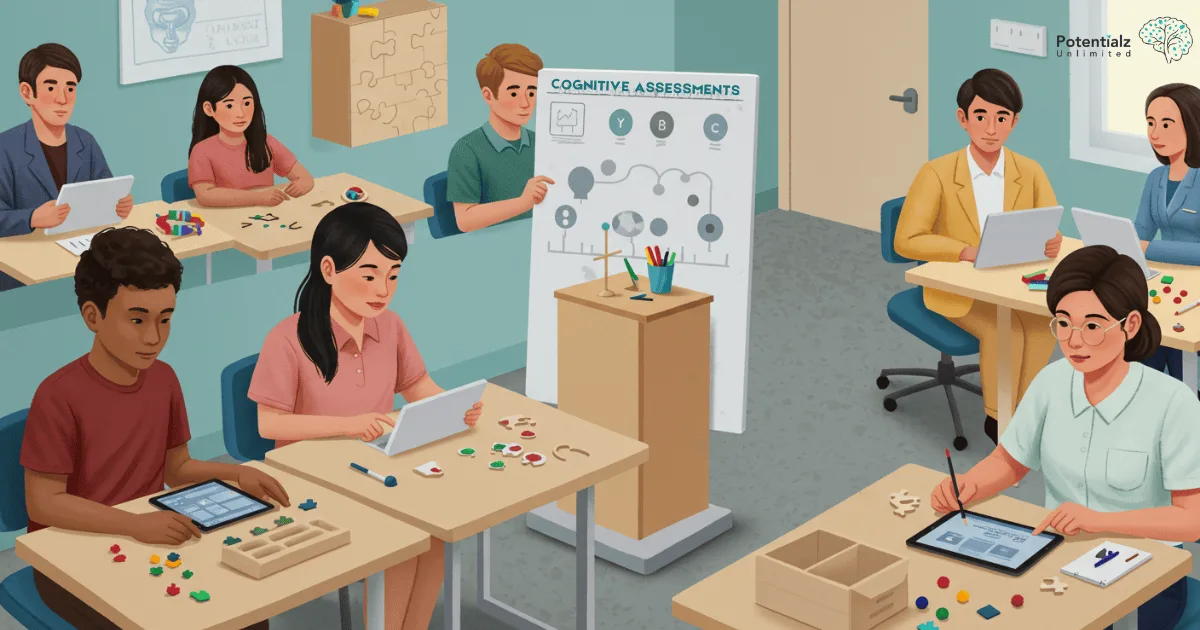 Students and adults participate in various cognitive assessment activities, engaging with both digital devices and hands-on puzzles in a collaborative learning environment.
Understanding Cognitive Assessments: More Than Just IQ Tests
Cognitive assessments are structured evaluations that measure various mental capabilities such as memory, attention, problem-solving, reasoning, and processing speed. Think of them as a comprehensive “fitness test” for your brain – just as a physical fitness assessment reveals your strengths in different areas like cardiovascular health or flexibility, cognitive assessments show how your mind excels across different types of thinking.
Contemporary intelligence theory and assessment has evolved dramatically from the early days when IQ testing was synonymous with a single measure of general intelligence. Today’s assessments recognize that intelligence is multifaceted, culturally influenced, and expressed in many different ways.
For families in multicultural communities like those in the Hills, Parramatta, Blacktown, and Hawkesbury regions of Sydney, these assessments are particularly valuable. With many first-generation immigrants and diverse cultural backgrounds, understanding individual cognitive strengths can bridge educational gaps and unlock potential that might otherwise go unrecognized.
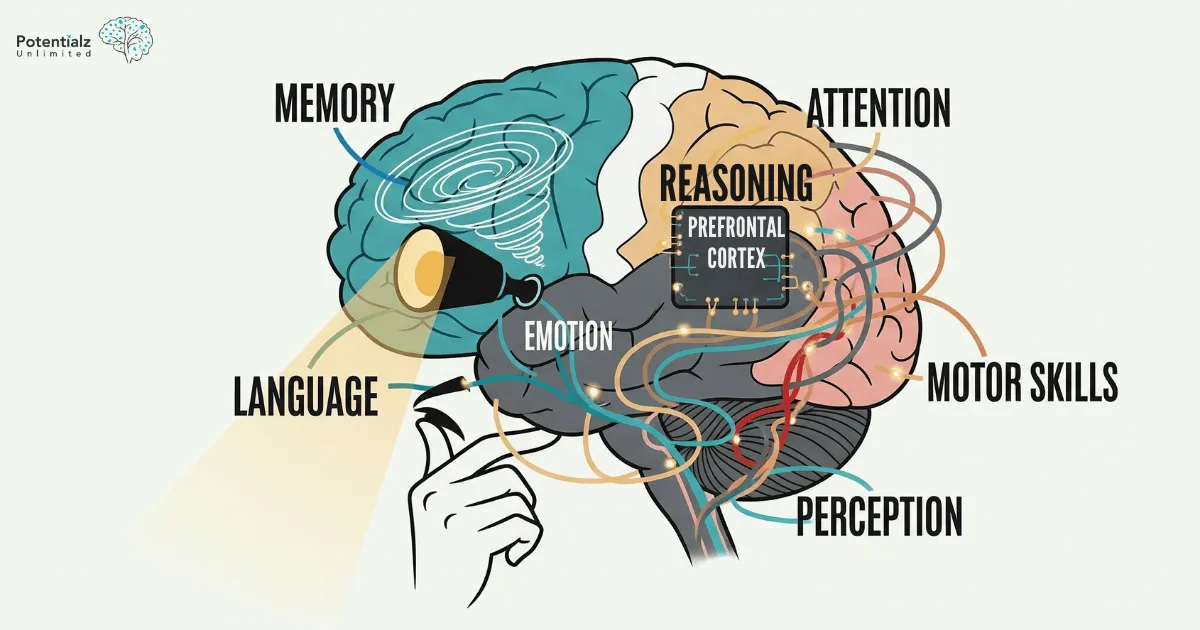 Diagram illustrating the interconnected cognitive domains of the brain, such as memory, attention, reasoning, and language, with colorful pathways highlighting the complexity of human intelligence.
The Science Behind Modern Cognitive Assessment
Evolution from Single IQ to Multiple Intelligences
The field has moved far beyond the limitations of early intelligence testing. The PASS theory of intelligence (Planning, Attention, Simultaneous, and Successive processing) represents one modern approach that measures cognitive processing abilities rather than accumulated knowledge.
Key advantages of contemporary cognitive assessment include:
- Theory-based approaches that understand how the brain actually processes information
- Culturally responsive methods that account for diverse backgrounds and experiences
- Digital innovations that provide more precise and engaging evaluations
- Comprehensive profiles that reveal patterns of strengths and challenges
Digital Revolution in Cognitive Testing
The emergence of digital cognitive assessment has transformed how we evaluate mental abilities. Online cognitive assessment technology can be administered remotely via web browsers and mobile applications, making testing more accessible and convenient for families.
These digital tools have demonstrated greater sensitivity than traditional supervised assessment scales in detecting cognitive differences, including subtle changes that occur in early developmental stages. For busy families balancing work, school, and settlement challenges, this accessibility is revolutionary.
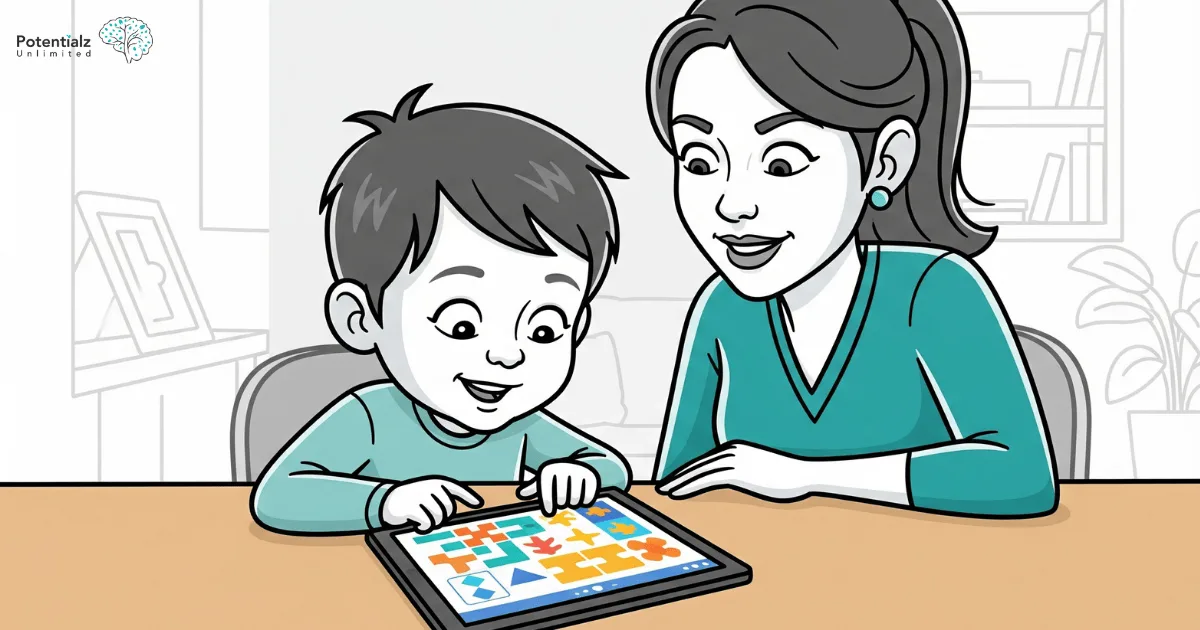 A child engages with a cognitive assessment app on a tablet, showcasing a modern and interactive approach to evaluating cognitive skills.
Key Cognitive Domains Assessed
Memory Systems
Memory assessment examines both short-term and long-term recall abilities:
- Working memory: Holding and manipulating information in your mind
- Visual memory: Remembering images, patterns, and spatial information
- Auditory memory: Recalling spoken words, sounds, and sequences
- Long-term memory: Storing and retrieving learned information over time
For students learning English as a second language, understanding memory strengths can guide effective study strategies and language acquisition approaches.
Attention and Focus
Attention assessment evaluates various aspects of concentration:
- Sustained attention: Maintaining focus over extended periods
- Selective attention: Filtering relevant from irrelevant information
- Divided attention: Managing multiple tasks simultaneously
- Attention switching: Flexibly shifting focus between different activities
Processing Speed
This measures how quickly and accurately you can complete mental tasks:
- Information processing: How fast you understand new information
- Decision-making speed: Rapid evaluation of options
- Perceptual speed: Quick recognition of patterns and details
- Psychomotor speed: Coordination between thinking and physical responses
Reasoning and Problem-Solving
Higher-order thinking skills include:
- Logical reasoning: Drawing conclusions from given information
- Abstract thinking: Understanding concepts beyond concrete examples
- Pattern recognition: Identifying relationships and sequences
- Creative problem-solving: Finding novel solutions to challenges
Cultural Considerations in Cognitive Assessment
Addressing Cultural Bias in Testing
The contemporary landscape of cognitive assessment has evolved toward a framework that is more equitable and socially just. Research consistently shows that traditional Western cognitive tests can be culturally biased, potentially underestimating the abilities of individuals from diverse backgrounds.
Key cultural factors that affect assessment include:
- Language differences: Tests requiring advanced English may not reflect true cognitive ability
- Educational experiences: Formal schooling styles vary dramatically across cultures
- Cultural values: Different cultures emphasize different types of knowledge and skills
- Test-taking familiarity: Some cultures have less exposure to standardized testing formats
Culturally Responsive Assessment Approaches
Modern cognitive assessment employs several strategies to ensure fairness:
Language-Reduced Testing: Using visual-spatial tasks and non-verbal measures to minimize language barriers while still assessing cognitive abilities.
Cultural Adaptation: Modifying test content and procedures to be more relevant and accessible to specific cultural groups without compromising the assessment’s validity.
Multiple Assessment Methods: Combining standardized tests with observational data, contextual information, and cultural informants to get a complete picture.
Interpreter Services: Providing qualified interpreters when needed, while being aware that translation can affect test validity.
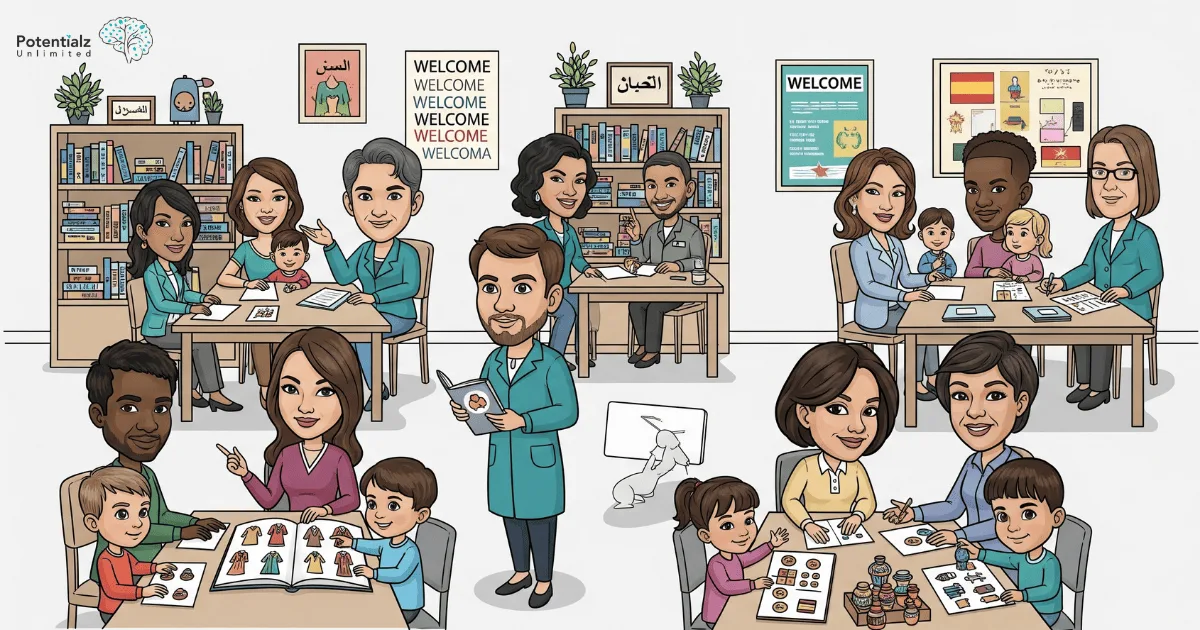 Professionals conduct a multicultural testing session, engaging with families in a welcoming and inclusive environment.
Practical Applications for Multicultural Communities
Supporting Educational Success
For children from immigrant families, cognitive assessments can:
- Identify learning preferences that may differ from mainstream educational approaches
- Reveal hidden talents that might be overlooked in traditional classroom settings
- Guide intervention strategies for students struggling with academic adjustment
- Support gifted identification in students whose abilities may be masked by language barriers
Career Planning and Development
Adults can use cognitive assessment results to:
- Explore career paths that align with their cognitive strengths
- Identify skill development opportunities for professional advancement
- Make informed decisions about further education or training
- Understand work preferences that match their cognitive style
Early Intervention and Support
Cognitive assessments help identify:
- Learning differences that require specialized educational approaches
- Attention challenges that might benefit from behavioral strategies
- Memory difficulties that could be supported through compensatory techniques
- Processing speed variations that affect academic and work performance
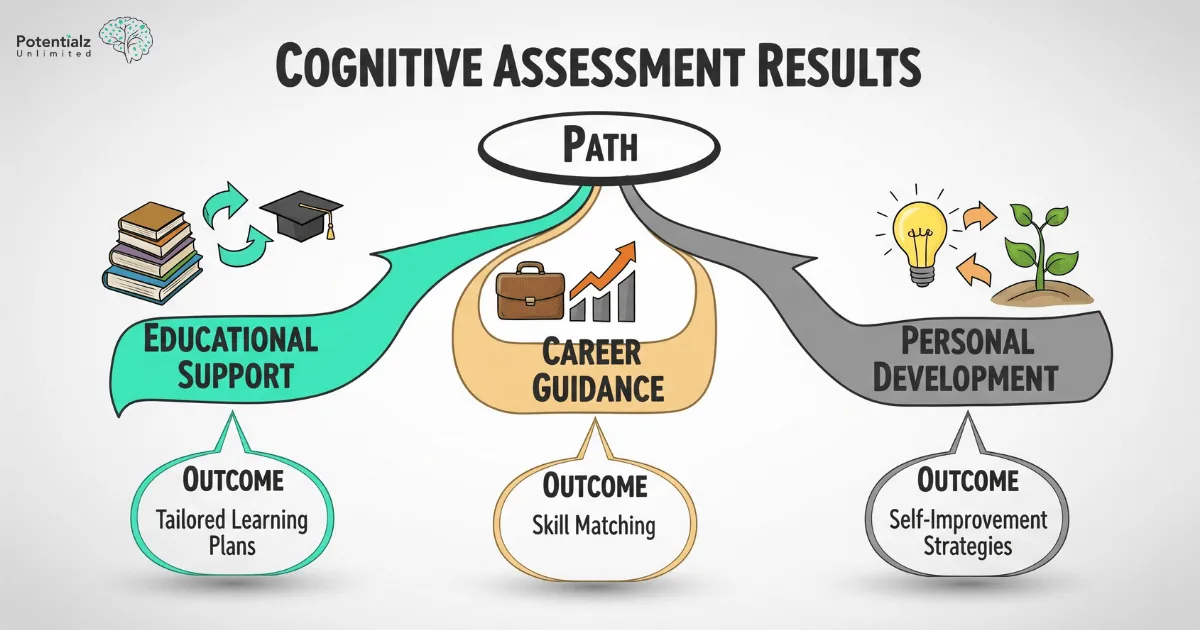 A flowchart illustrating how cognitive assessment results inform pathways in educational support, career guidance, and personal development, leading to tailored learning plans, skill matching, and self-improvement strategies.
Types of Cognitive Assessments Available
Comprehensive Intelligence Batteries
Wechsler Scales (WISC-5, WAIS-4): These well-established assessments provide detailed cognitive profiles across multiple domains. They’re particularly useful for educational planning and identifying specific learning needs.
Cognitive Assessment System-2 (CAS-2): Based on PASS theory, this assessment focuses on cognitive processing abilities rather than accumulated knowledge, making it particularly suitable for culturally diverse populations.
Specialized Domain Assessments
Memory-Specific Tests: Target specific memory systems to understand how individuals best encode, store, and retrieve information.
Attention Assessments: Evaluate different types of attention and concentration abilities, crucial for academic and workplace success.
Executive Function Batteries: Assess planning, organization, and self-regulation skills essential for independent living and academic achievement.
Brief Screening Tools
Quick Cognitive Assessments: Efficient 15-30 minute evaluations that can identify areas needing more detailed assessment.
Digital Screening Platforms: Online tools that provide preliminary cognitive profiles and can be completed at home or in community settings.
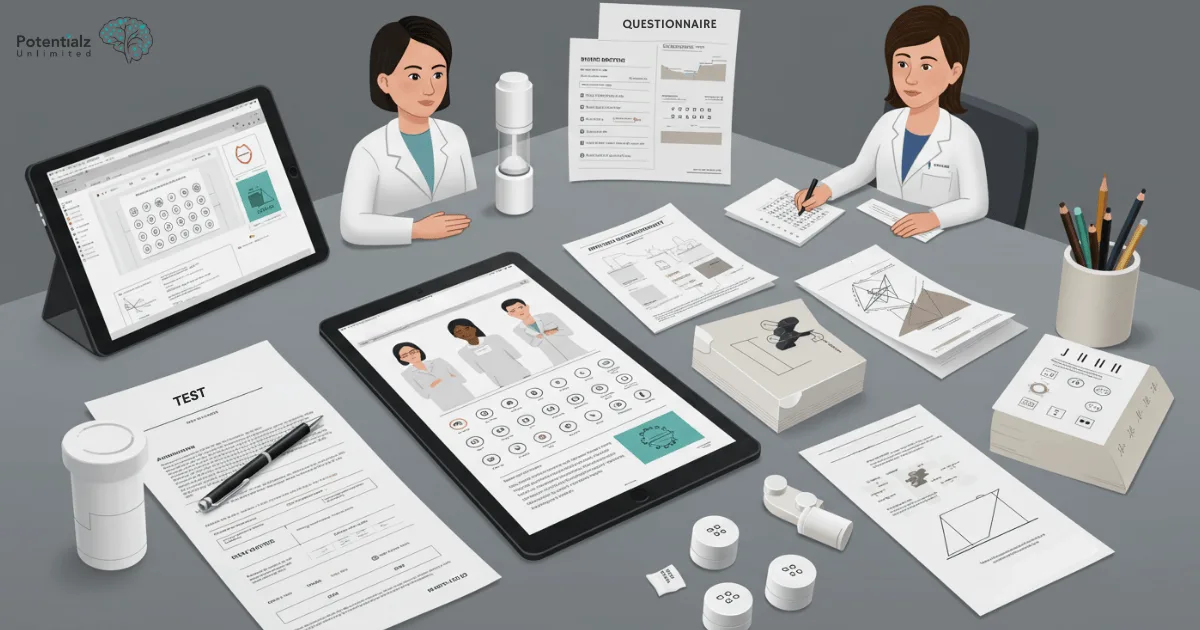 Professionals review cognitive assessment forms on digital tablets and paper, analyzing data and discussing insights in a collaborative setting.
The Assessment Process: What to Expect
Pre-Assessment Consultation
The process typically begins with:
- Background interview: Understanding personal, educational, and cultural history
- Goal clarification: Identifying specific questions the assessment should answer
- Test selection: Choosing appropriate assessments based on individual needs
- Cultural considerations: Ensuring selected tests are appropriate and fair
Testing Session Structure
Most comprehensive assessments follow this format:
- Rapport building: Establishing comfort and trust with the examiner
- Baseline tasks: Starting with easier items to build confidence
- Core assessments: Systematic evaluation of different cognitive domains
- Breaks and support: Regular rest periods and encouragement throughout
- Closing activities: Ending on a positive note with strengths-based tasks
Post-Assessment Follow-Up
After testing, families receive:
- Detailed reports: Comprehensive analysis of strengths and areas for development
- Practical recommendations: Specific strategies for home, school, and work
- Resource connections: Links to appropriate support services and programs
- Follow-up consultations: Opportunities to discuss results and implementation
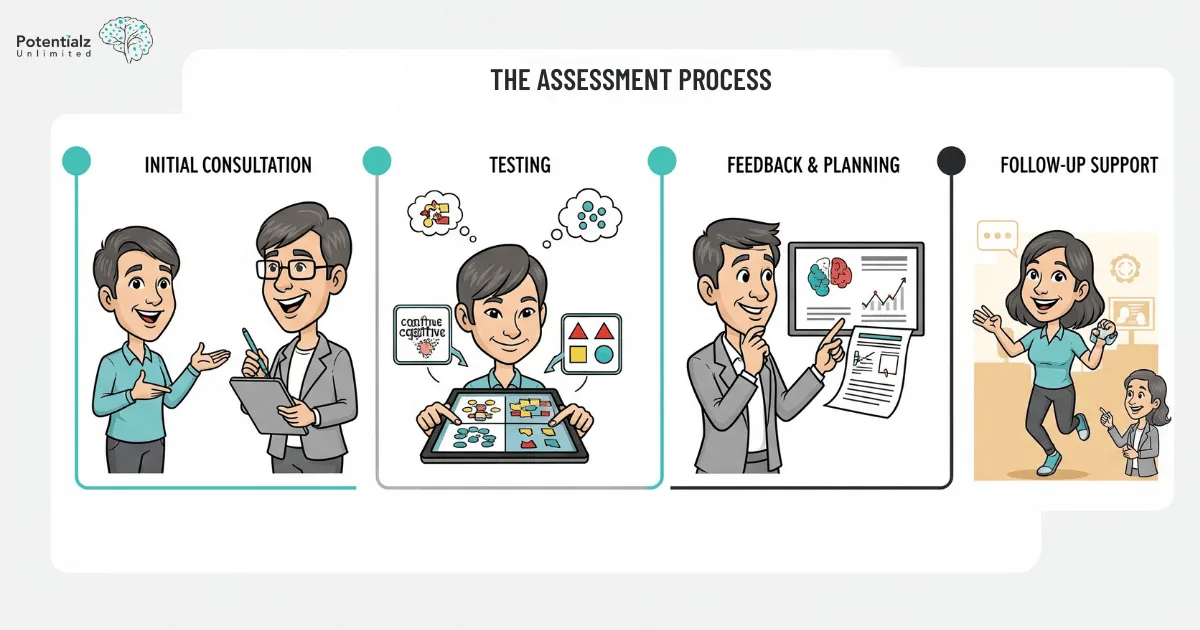 The image illustrates the usual cognitive assessment process, featuring four stages: initial consultation, testing, feedback and planning, and follow-up support.
Technology and Innovation in Cognitive Assessment
Artificial Intelligence and Machine Learning
Modern cognitive assessment increasingly incorporates AI to:
- Adapt test difficulty in real-time based on performance
- Reduce testing time while maintaining accuracy
- Minimize cultural bias through adaptive algorithms
- Provide immediate feedback to examinees and families
Virtual Reality and Immersive Testing
Emerging technologies offer:
- Realistic environments for assessing real-world cognitive skills
- Engaging experiences that reduce test anxiety
- Ecological validity that better predicts daily functioning
- Cultural customization of testing environments
Remote Assessment Capabilities
Digital platforms enable:
- Home-based testing for families with transportation challenges
- Flexible scheduling around work and family commitments
- Reduced anxiety in familiar environments
- Cost-effective access to specialized assessment services
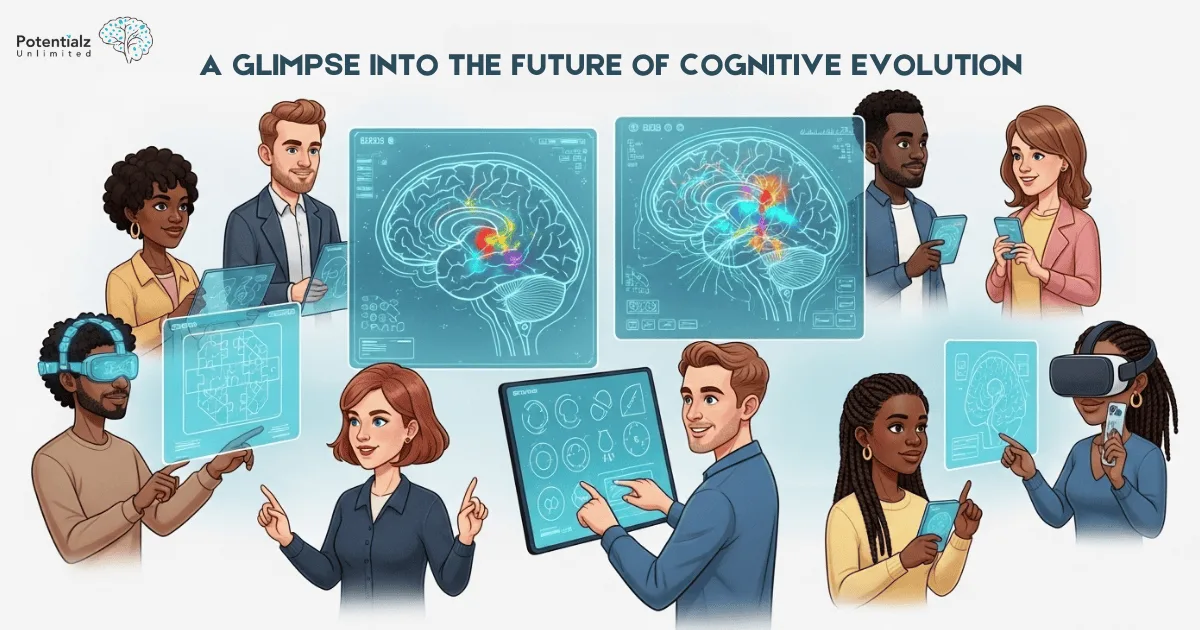 Exploring the Future: Professionals engage with advanced technology to map and understand brain activity, illustrating the advancements in cognitive science and innovation.
Preparing for Cognitive Assessment
Before the Assessment
Physical Preparation:
- Get adequate sleep (7-9 hours) the night before
- Eat a nutritious breakfast or meal before testing
- Stay hydrated throughout the day
- Avoid caffeine or substances that might affect performance
Mental Preparation:
- Discuss the purpose positively with family members
- Explain that this is about discovering strengths, not “passing” or “failing”
- Address any anxiety or concerns beforehand
- Arrive early to settle in and reduce stress
Cultural Preparation:
- Inform the examiner about any cultural considerations
- Discuss language preferences and comfort levels
- Share relevant background information that might affect performance
- Ask questions about the testing process
During the Assessment
Best Practices:
- Try your best on each task without overthinking
- Ask for clarification if instructions are unclear
- Take breaks when offered
- Stay positive even if some tasks feel challenging
- Remember that everyone has different strengths
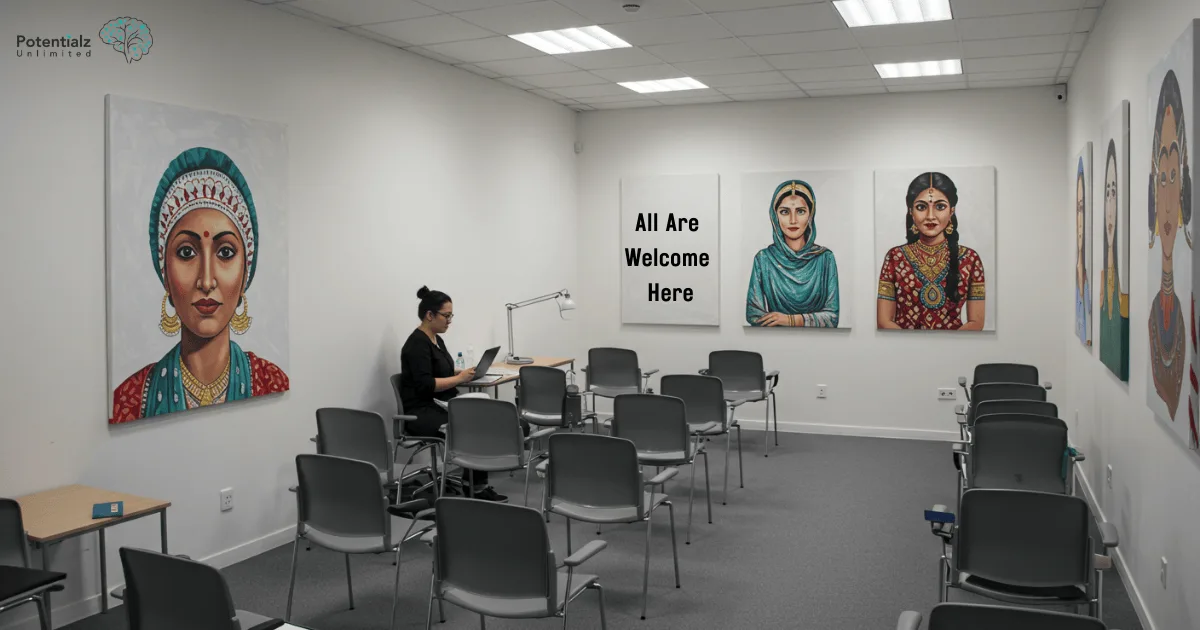 A calm, welcoming assessment room with comfortable seating, good lighting, and cultural artwork, showing an optimal testing environment
Interpreting Assessment Results
Understanding Cognitive Profiles
Assessment results typically include:
- Standard scores: Comparing performance to age-matched peers
- Percentile ranks: Showing where abilities fall in the general population
- Strength and weakness patterns: Identifying relative areas of ability
- Confidence intervals: Acknowledging measurement precision limits
Beyond the Numbers
Quality interpretation considers:
- Cultural context: How background influences performance and implications
- Educational factors: Impact of schooling experiences on results
- Language proficiency: Effects of English language development on scores
- Individual circumstances: Personal factors that might affect performance
Translating Results into Action
Effective reports provide:
- Practical recommendations: Specific strategies for different settings
- Educational accommodations: Suggestions for school support
- Career guidance: Insights for professional development
- Personal strategies: Techniques for daily life improvement
 A family meeting with a psychologist reviewing colorful, easy-to-understand assessment results with graphs, charts, and practical recommendations
Supporting Diverse Learners Through Assessment
Educational Accommodations
Cognitive assessment results can support:
- Learning disability identification: Recognizing specific challenges requiring support
- Gifted program placement: Identifying exceptional abilities that need nurturing
- ESL program planning: Tailoring language support to cognitive strengths
- Individualized education plans: Creating targeted learning strategies
Workplace Applications
Assessment insights help with:
- Job matching: Aligning roles with cognitive strengths
- Training programs: Designing development opportunities
- Accommodation requests: Supporting workplace modifications
- Career advancement: Planning professional growth paths
Community Integration
Results can guide:
- Settlement services: Connecting families with appropriate community resources
- Cultural programs: Participating in culturally relevant activities
- Social connections: Building relationships based on shared interests and abilities
- Advocacy efforts: Supporting policy changes for better assessment practices
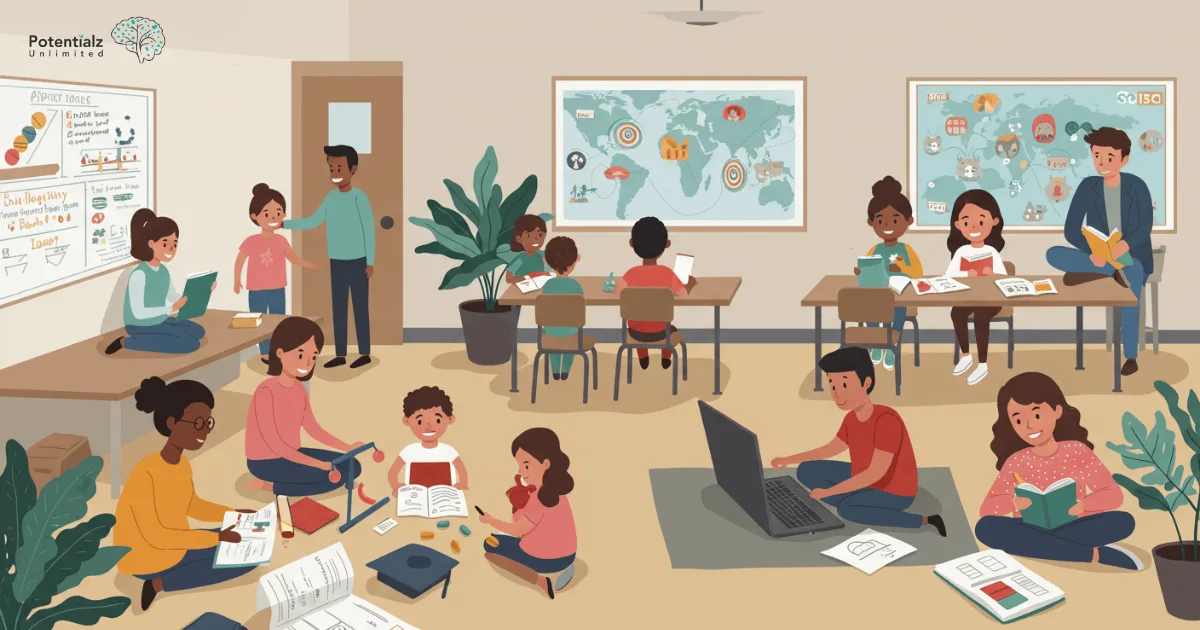 Families engaged in learning and exploration at a community center, showcasing diverse educational activities guided by targeted assessments.
Addressing Common Concerns and Misconceptions
”Cognitive Tests Are Culturally Biased”
While historical tests had significant bias, modern assessments:
- Use culturally reduced content when appropriate
- Employ multiple assessment methods
- Consider cultural context in interpretation
- Are continuously researched and improved for fairness
”Results Will Label My Child”
Contemporary assessment focuses on:
- Strength identification rather than deficit labeling
- Educational planning rather than categorical placement
- Individual growth rather than comparative ranking
- Dynamic abilities that can develop over time
”Tests Don’t Capture Real Intelligence”
Modern assessments recognize:
- Multiple types of intelligence beyond traditional academic abilities
- Cultural variations in how intelligence is expressed
- Practical skills alongside theoretical knowledge
- Creative abilities that standardized tests might miss
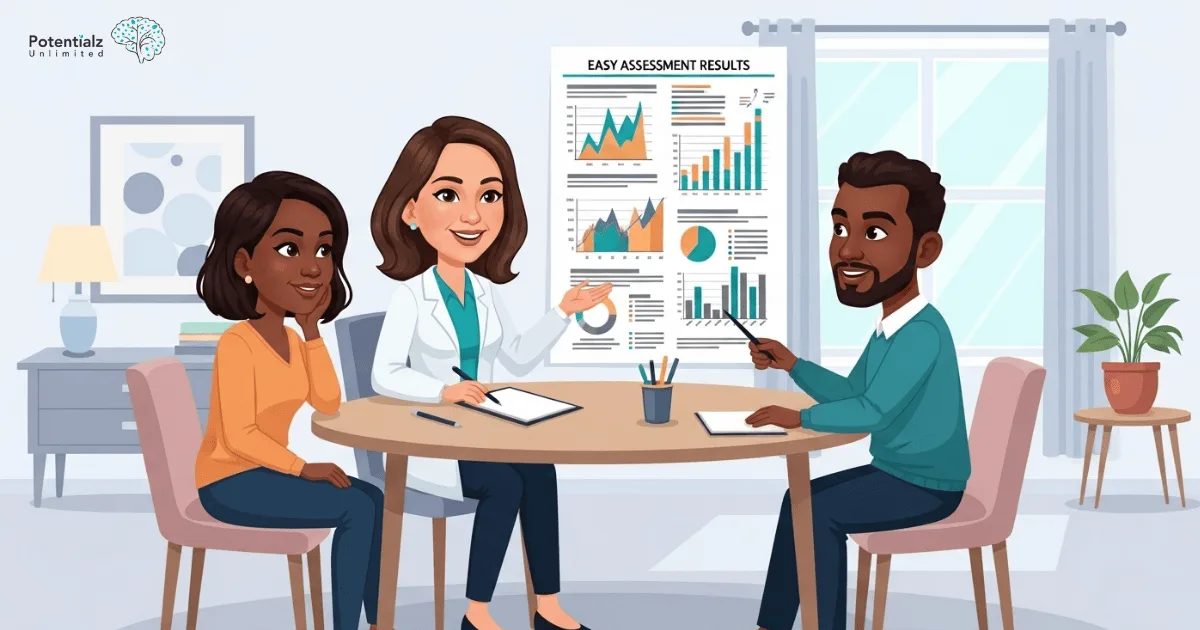 A supportive counselor explaining assessment results to parents
Future Directions in Cognitive Assessment
Emerging Technologies
The future of cognitive assessment includes:
- Neuroscience integration: Using brain imaging to understand cognitive processes
- Wearable technology: Monitoring cognitive function in daily life
- Gamification: Making assessments more engaging and naturalistic
- Personalized testing: Adapting assessments to individual cultural and linguistic backgrounds
Cultural Responsiveness
Ongoing developments focus on:
- Indigenous assessment tools: Developing tests appropriate for specific cultural groups
- Community involvement: Engaging communities in test development and validation
- Strength-based approaches: Emphasizing abilities rather than deficits
- Holistic evaluation: Considering multiple sources of information about abilities
Accessibility Improvements
Future assessments will feature:
- Universal design: Making tests accessible to people with disabilities
- Multiple languages: Providing assessments in community languages
- Economic accessibility: Reducing costs through technology and community partnerships
- Geographic reach: Bringing quality assessment to remote and underserved areas
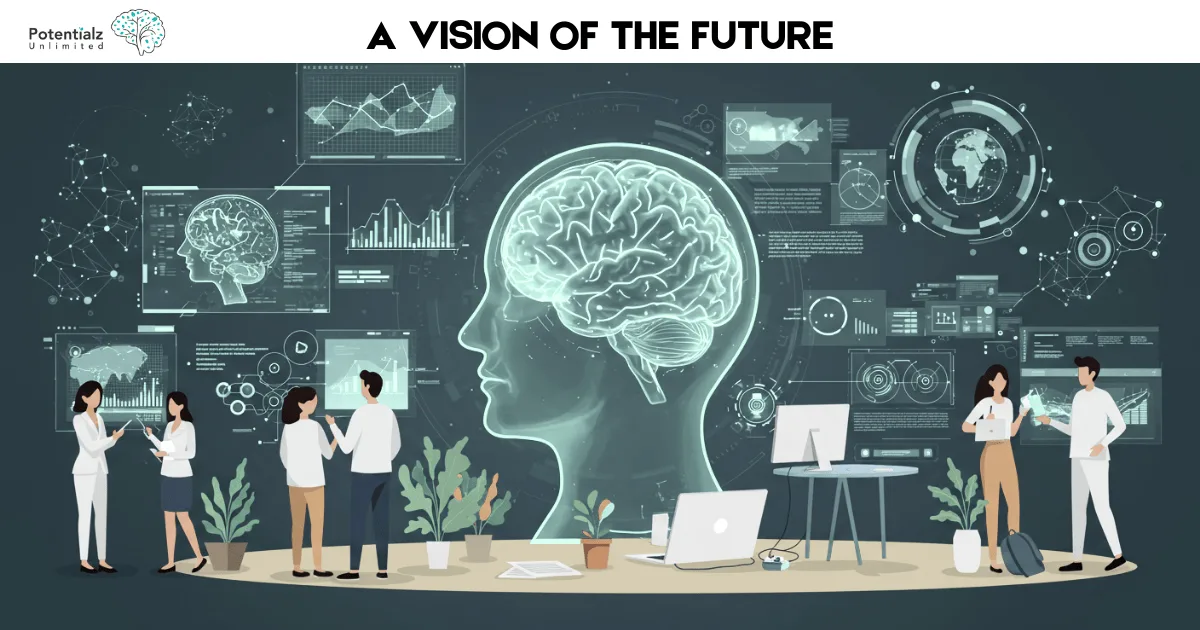 A vision of the future of improved accessibility of cognitive assessments
Making the Most of Your Assessment Experience
Choosing the Right Professional
Look for assessors who:
- Have specific training in multicultural assessment
- Understand your cultural background and values
- Use current, evidence-based assessment tools
- Provide comprehensive, understandable reports
- Offer ongoing support and consultation
Maximizing Assessment Value
To get the most from cognitive assessment:
- Be thorough in providing background information
- Ask questions throughout the process
- Implement recommendations systematically
- Monitor progress over time
- Seek additional support when needed
Building on Strengths
Use assessment results to:
- Celebrate abilities and build confidence
- Develop talents through targeted activities and programs
- Address challenges with appropriate strategies and support
- Plan for the future with realistic and ambitious goals
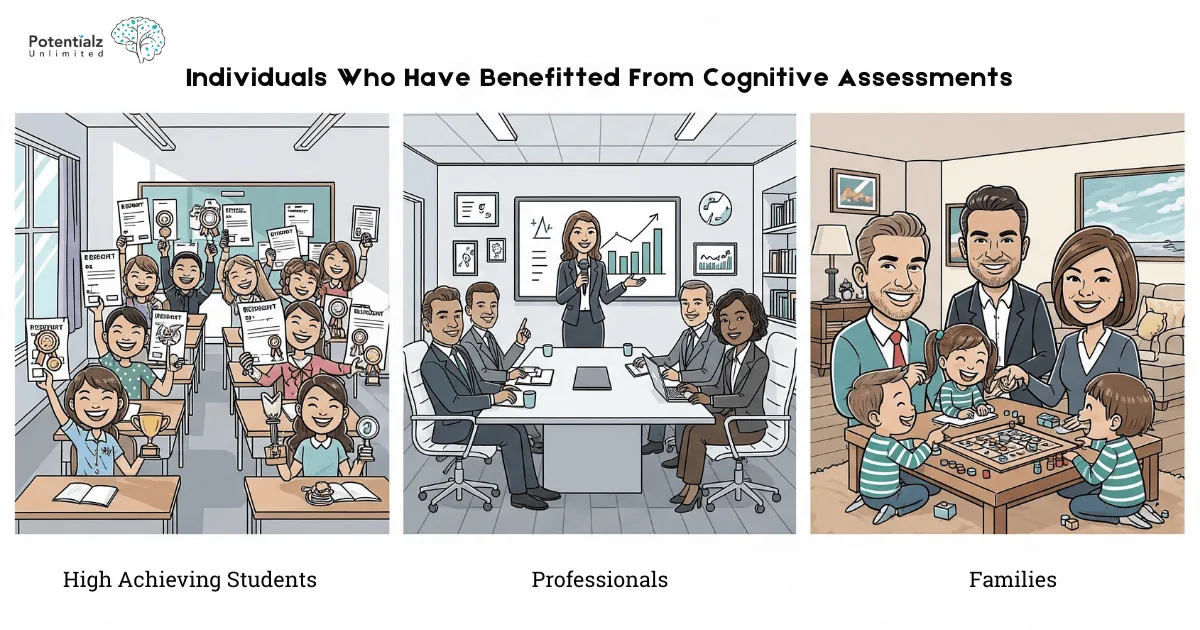 Individuals and Group Who Have Benefitted From Cognitive Assessments
Test Your Knowledge
Conclusion: Maximizing Your Cognitive Potential
Cognitive assessments represent powerful tools for understanding and developing human potential. In our increasingly diverse communities, these evaluations can bridge cultural gaps, identify hidden strengths, and guide educational and career decisions that honor individual differences while promoting success.
The evolution from simple IQ testing to comprehensive, culturally responsive cognitive evaluation reflects our growing understanding of human intelligence as complex, multifaceted, and culturally influenced. Modern assessments don’t just measure what you know – they reveal how you think, learn, and solve problems.
For families in multicultural communities like those in Sydney’s Hills, Parramatta, Blacktown, and Hawkesbury regions, cognitive assessments offer unique opportunities to:
- Understand individual learning styles that may differ from mainstream approaches
- Identify strengths that can be developed into talents and career paths
- Address challenges with targeted support and accommodations
- Build confidence through recognition of diverse abilities
The key to effective cognitive assessment lies in choosing culturally competent professionals who understand that intelligence manifests differently across cultures and that every individual brings unique strengths to the table. When conducted thoughtfully and interpreted carefully, cognitive assessments become tools for empowerment rather than gatekeeping.
As technology continues to evolve and our understanding of cultural diversity deepens, cognitive assessment will become even more precise, accessible, and fair. The future promises assessments that truly capture the full spectrum of human cognitive ability while respecting cultural differences and promoting equity.
Remember that cognitive assessment is not about determining whether you’re “smart enough” – it’s about understanding how your unique mind works and how to leverage your strengths for success. Whether you’re a student navigating educational choices, an adult considering career changes, or a parent advocating for your child’s needs, cognitive assessment can provide valuable insights for your journey.
Your cognitive abilities are not fixed or limited by cultural background, educational history, or language proficiency. They represent your unique potential for learning, growing, and contributing to your community. A quality cognitive assessment can help you understand and develop that potential in ways that honor your background while opening doors to new opportunities.
Need Professional Support?
If you're experiencing mental health concerns, our team is here to help.