Feeling overwhelmed by worry? You’re not alone. Discover how psychology can transform your anxiety into strength.
Psychologists use proven methods like Cognitive Behavioural Therapy (CBT) to help people manage anxiety effectively. About one-third of people experience anxiety disorders at some point in their lives, but with the right support, anxiety can be managed successfully. This guide explores practical ways psychologists help, what to expect, and simple steps you can take today.
 A cozy and inviting room in our practice, featuring warm lighting and comfortable seating, complemented by large windows with a scenic view.
Understanding Anxiety: More Than Just Worry
Anxiety isn’t just feeling nervous before a test or presentation. Anxiety disorders are the most common of mental disorders and affect more than 25 million Americans, and similar patterns exist in Australia. It’s a real condition that can make everyday activities feel impossible.
When you have anxiety, your brain’s alarm system goes off even when there’s no real danger. Think of it like a smoke detector that keeps beeping when you’re just cooking toast – annoying and unhelpful!
Common Signs of Anxiety Include:
- Racing heart or feeling breathless
- Worrying thoughts that won’t stop
- Trouble sleeping or concentrating
- Avoiding places or activities you used to enjoy
- Feeling tense or on edge most days
- Physical symptoms like headaches or stomach aches
 Young individuals from diverse backgrounds exhibit subtle signs of anxiety, reflecting a shared sense of overwhelm and tension amidst a bustling urban setting.
For families in multicultural communities around Sydney’s Hills District, including areas like Bella Vista, Parramatta, and Blacktown, anxiety can be even more challenging. Cultural expectations, language barriers, and adapting to new environments can add extra stress.
How Psychologists Transform Anxiety Management
Cognitive Behavioural Therapy (CBT): Your Mental Toolkit
CBT appears to be both efficacious and effective in the treatment of anxiety disorders, making it the gold standard treatment. But what does this actually mean for you?
CBT teaches you to:
- Spot unhelpful thoughts: Learn to catch negative thinking patterns before they spiral
- Challenge worry thoughts: Ask yourself “Is this thought helpful? Is it realistic?”
- Change behaviours: Gradually face fears in manageable steps
- Build confidence: Practice new skills until they become second nature
Real-world example
Sarah, a Year 9 student, used to panic about presentations. Her psychologist helped her break this down:
- Identify the worry: “Everyone will laugh at me”
- Challenge it: “Has this actually happened before?”
- Try a new approach: Practice with one trusted friend first
- Build up gradually: Present to small groups, then larger ones
Mindfulness and Relaxation: Your Calm Button
When anxiety hits, your body goes into fight-or-flight mode. Psychologists teach simple techniques to press your internal “calm button”:
Quick Calm Techniques:
- 4-7-8 Breathing: Breathe in for 4, hold for 7, out for 8
- Progressive muscle relaxation: Tense and release each muscle group
- Grounding exercises: Name 5 things you see, 4 you hear, 3 you touch
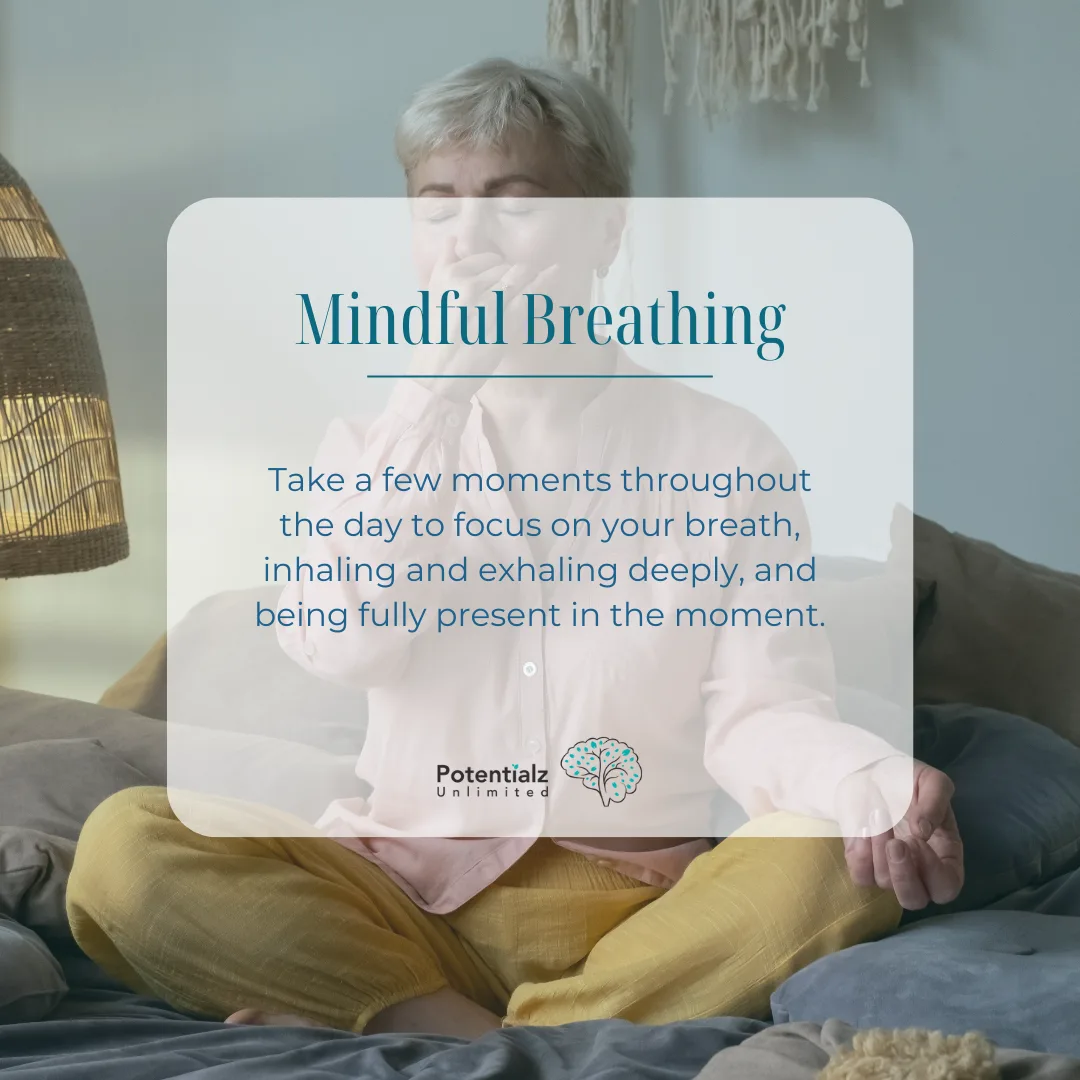 An individual practices mindful breathing on a cozy couch, focusing on deep inhalation and exhalation to cultivate presence and relaxation.
Exposure Therapy: Facing Fears Step by Step
This might sound scary, but it’s actually quite gentle. Instead of throwing you in the deep end, psychologists help you wade in slowly. Exposure exercises help reduce avoidance behaviours and build confidence.
How it works:
- Create a “fear ladder” – list fears from easiest to hardest
- Start with the easiest step
- Practice until it feels manageable
- Move up the ladder gradually
- Celebrate each success!
The Science Behind Anxiety Treatment
What Happens in Your Brain?
The amygdala plays an important role in tempering fear and anxiety. Patients with anxiety disorders have been found to show heightened amygdala response to anxiety cues. Think of your amygdala as an overly protective security guard – psychologists help retrain it to be more reasonable.
Recent research shows that CBT demonstrates small to moderate placebo-controlled effects on anxiety symptoms, with effects lasting long after treatment ends. Effects were maintained until 12 months after treatment completion.
Exercise and Mental Health Connection
Here’s something amazing: engaging in physical exercise can bolster personal self-efficacy, boost self-assurance, and foster enduring psychological resilience. This means that moving your body literally helps rewire your brain for less anxiety!
 People enjoy a vibrant day at the park, engaging in various activities like jogging, yoga, and playing frisbee amidst lush greenery and flowers.
Practical Daily Strategies for Anxiety Management
Your Daily Anxiety Prevention Plan
Morning Routine:
- Start with 5 minutes of deep breathing
- Set one realistic goal for the day
- Eat a balanced breakfast (your brain needs fuel!)
- Limit social media first thing in the morning
During the Day:
- Take regular breaks from screens
- Practice the “STOP” technique: Stop, Take a breath, Observe, Proceed
- Connect with at least one supportive person
- Move your body – even a 10-minute walk helps
Evening Wind-Down:
- Write three good things that happened today
- Avoid caffeine after 2pm
- Create a technology-free zone before bed
- Try gentle stretching or reading
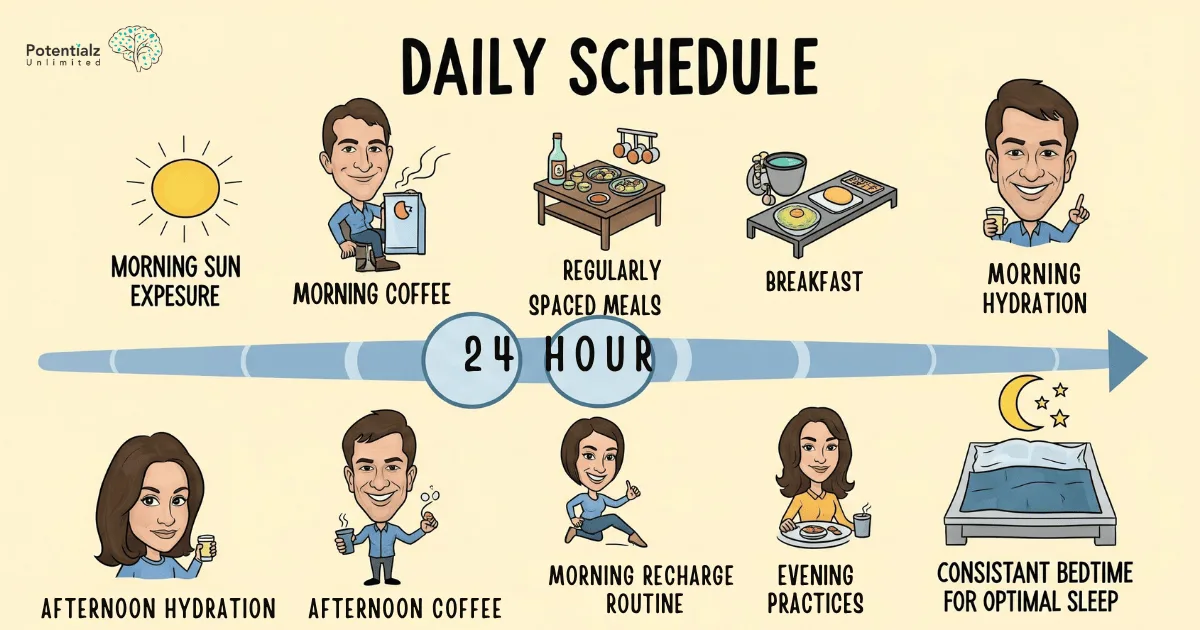 Optimized Daily Routine: From morning sun exposure and coffee to balanced meals, hydration, and evening practices, this schedule promotes wellness and restful sleep.
Building Your Support Network
Social support has been associated with improved mental health and can significantly reduce anxiety symptoms. Your support network might include:
- Family members who understand your challenges
- Friends you can talk to honestly
- Teachers or mentors at school
- Community groups or cultural organisations
- Mental health professionals
When to Seek Professional Help
Red Flag Signs
You should consider seeing a psychologist if anxiety:
- Interferes with school, work, or relationships
- Causes you to avoid important activities
- Includes panic attacks or physical symptoms
- Affects your sleep for more than two weeks
- Makes you feel hopeless or overwhelmed most days
Remember: Seeking help is a sign of strength, not weakness. Just like you’d see a doctor for a broken arm, getting help for anxiety is taking care of your mental health.
What to Expect in Your First Session
Many people worry about what happens in therapy. Here’s what typically occurs:
Your First Visit
- Getting comfortable: Your psychologist will help you feel at ease
- Sharing your story: Tell them what’s been happening and how you’re feeling
- Setting goals: Decide together what you want to achieve
- Learning about the process: Understand how therapy works
- Starting with basics: Maybe learn a simple relaxation technique
 A client shares a positive moment with their therapist in a serene and welcoming practice room, fostering open communication and support.
Special Considerations for Multicultural Communities
Cultural Sensitivity in Therapy
For families from diverse cultural backgrounds, finding the right psychologist is crucial.
The best therapists:
- Respect cultural values and traditions
- Understand immigration challenges
- Recognise how cultural expectations might affect anxiety
- Work with families, not just individuals
- Adapt techniques to fit cultural contexts
In areas like Bella Vista and the broader Hills District, many psychologists work with multicultural communities. They understand that anxiety might be connected to cultural adjustment, family expectations, or balancing different cultural identities.
Evidence-Based Treatment Outcomes
What Does Recovery Look Like?
At follow-up assessments, 61.38% showed total remission of all anxiety disorders in youth treated with CBT. This doesn’t mean anxiety disappears overnight, but rather that people learn to manage it so well it no longer controls their lives.
Typical Recovery Timeline:
- Weeks 1-4: Learning basic skills, starting to feel more hopeful
- Weeks 5-12: Practicing techniques, gradually facing fears
- Weeks 13-20: Building confidence, handling challenges better
- Beyond: Using skills independently, occasional check-ins
Long-term Benefits
Research shows that people who work with psychologists for anxiety often experience:
- Better relationships with family and friends
- Improved academic or work performance
- Greater self-confidence and resilience
- Enhanced physical health
- Better sleep and energy levels
 After overcoming anxiety though therapy with a psychologist a confident individual shines surrounded by symbols of education, friendships, achievements, and health.
Test Your Knowledge
Conclusion: Your Journey to Freedom from Anxiety
Anxiety might feel overwhelming right now, but remember – it’s treatable, and you don’t have to face it alone. Psychologists have helped millions of people transform their relationship with anxiety, using proven techniques that work.
Whether you’re a student struggling with school pressure, a parent worried about your child, or someone navigating cultural challenges in a new country, professional support can make all the difference.
Your next steps:
- Acknowledge your courage – recognising you need support takes strength
- Research local psychologists – find someone who understands your background
- Make that first appointment – it’s often the hardest but most important step
- Practice daily techniques – start with simple breathing exercises
- Be patient with yourself – healing takes time, and that’s perfectly okay
Remember, seeking help for anxiety isn’t a sign of failure – it’s an investment in your future happiness and wellbeing. You deserve to live a life free from the limitations that anxiety can impose.
Ready to start your journey? Contact a qualified anxiety psychologist in your area today. Your future self will thank you for taking this brave step forward.
Need Professional Support?
If you're experiencing mental health concerns, our team is here to help.