Bottom line up front: Anxiety and depression affect nearly half of people simultaneously, but evidence-based strategies including cognitive behavioral therapy, mindfulness practices, regular exercise, and culturally-sensitive support can significantly improve symptoms. Research shows that 53% of people with depression also experience anxiety, making integrated treatment approaches essential for multicultural communities navigating settlement challenges.
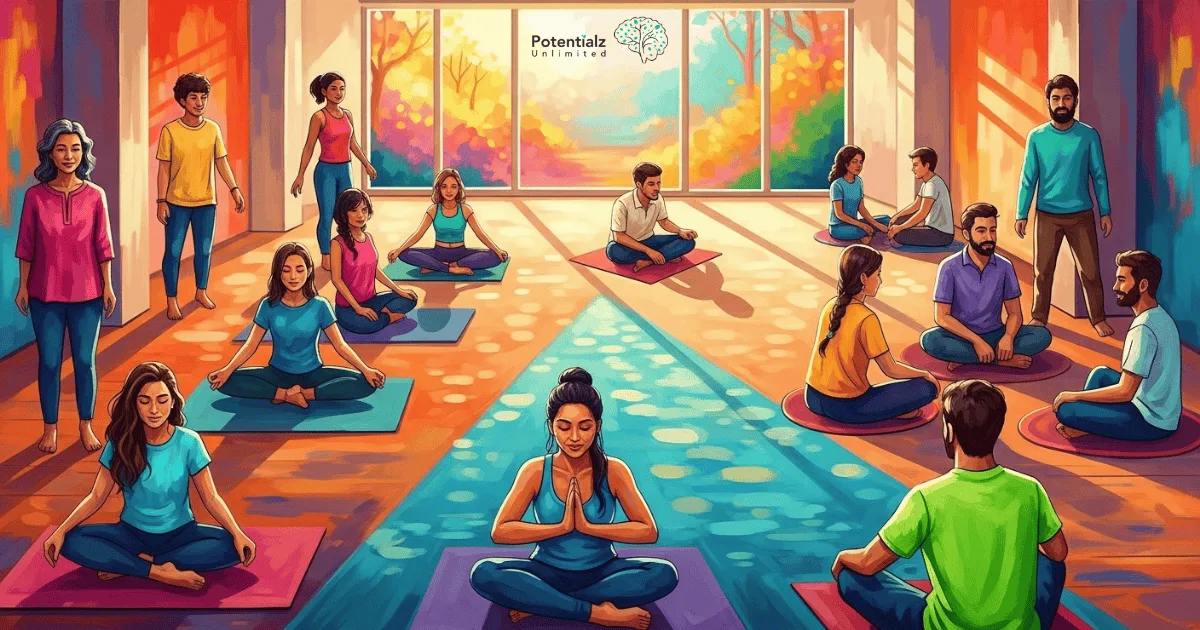 A vibrant community center alive with diverse individuals practicing yoga and engaging in meaningful conversation, bathed in the warm glow of natural sunlight.
Understanding Anxiety and Depression in Today’s World
Living with anxiety and depression has become increasingly common, particularly for families adapting to new cultures and environments. These conditions often occur together, with research showing that 53% of people with major depression also experience significant anxiety symptoms. For multicultural families in Sydney’s Hills, Parramatta, Blacktown, and Hawkesbury regions, the challenges of cultural adaptation, language barriers, and settlement stress can intensify these mental health concerns.
Anxiety disorders are among the most prevalent psychiatric disorders globally, affecting approximately 40 million adults annually. Depression, meanwhile, is one of the most common mental disorders, linked to increased healthcare costs and other health conditions like heart disease and diabetes. Understanding that these conditions frequently co-occur helps us develop more effective, integrated treatment approaches.
Think of anxiety and depression as your mind’s alarm system working overtime. Just as a smoke detector that’s too sensitive might go off when you’re cooking dinner, anxiety can trigger warning signals even when there’s no real danger. Depression, on the other hand, is like having that alarm system’s battery running low – everything feels more difficult and less worthwhile.
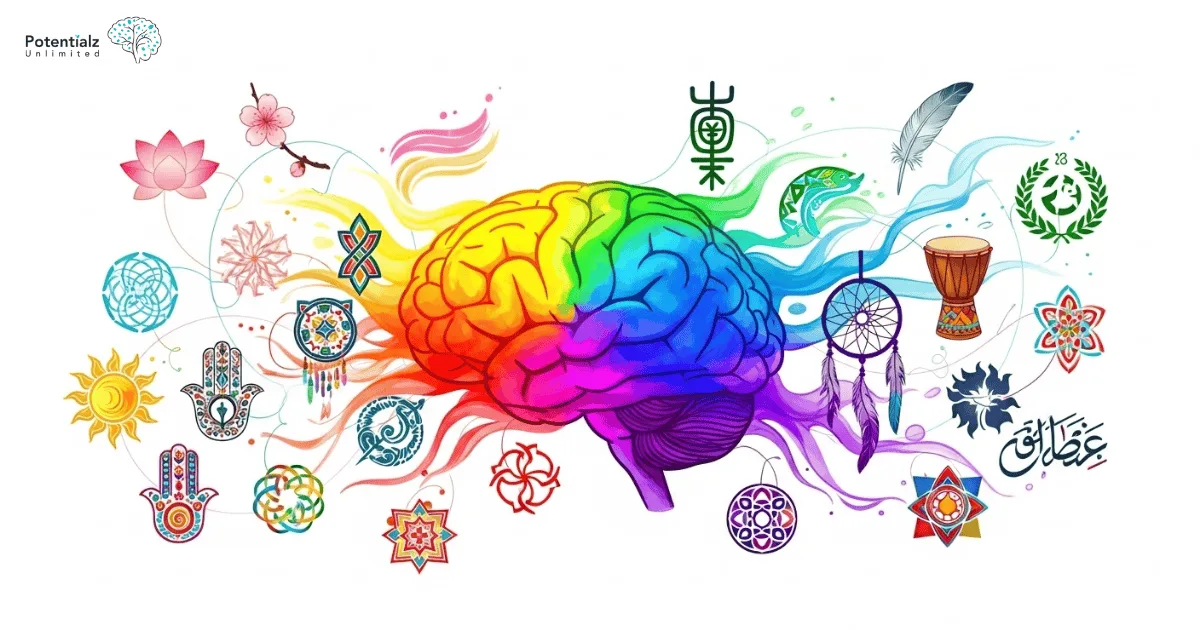 Illustration depicting a vibrant brain with highlighted emotional areas, surrounded by symbols of diverse cultures, emphasizing the universal impact of mental health across different communities.
The Unique Challenges for Multicultural Communities
Cultural Adaptation and Mental Health
For many first-generation immigrants and their families, mental health challenges are compounded by the stress of cultural adaptation. Research reveals that there is increased experience of depression, anxiety, and suicidal thoughts among multicultural families, particularly those caring for relatives with mental illness.
Common challenges include:
- Language barriers affecting access to mental health services
- Cultural stigma around seeking psychological help
- Intergenerational conflicts between traditional values and new cultural norms
- Social isolation from extended family and familiar support systems
- Financial stress related to settlement and employment challenges
- Identity conflicts experienced by children balancing multiple cultures
The Statistics Tell a Story
Recent Australian research shows concerning patterns:
- Only 19% of refugees and immigrants seek professional or informal help for mental health issues
- When help is sought, it’s more often from family and friends rather than professional services
- Men from non-English speaking backgrounds show higher rates of depression than Australian-born counterparts
- There’s effectively no evidence base to support mental health policy development for culturally and linguistically diverse (CALD) communities
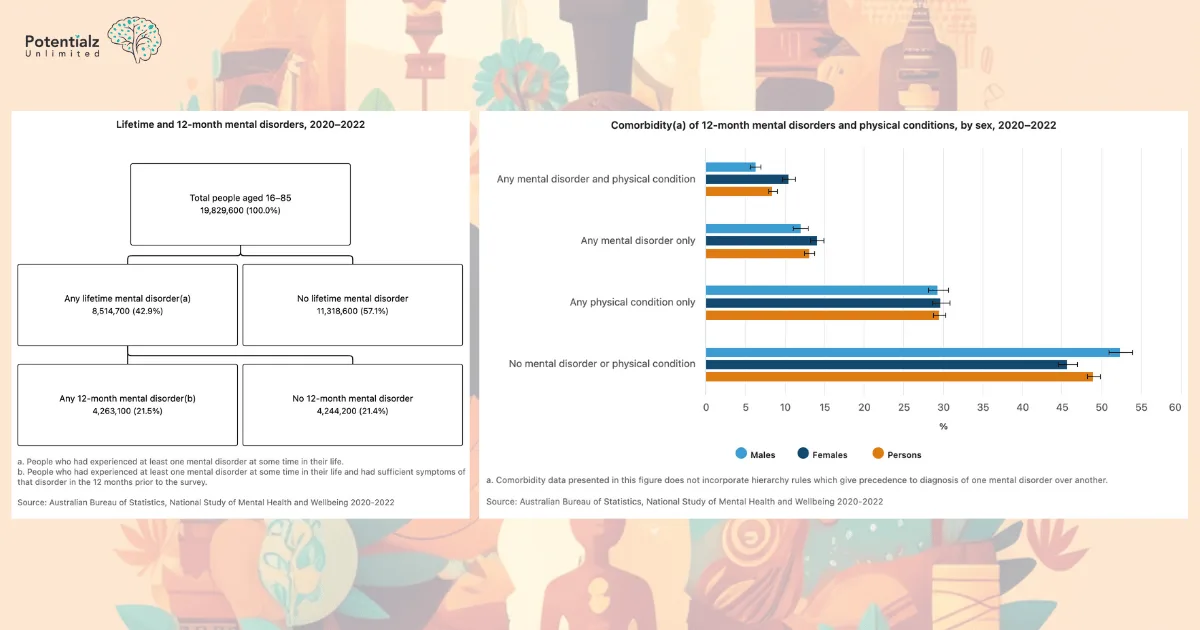 Infographic highlighting mental health statistics in Australia (2020-2022): 42.9% of people aged 16-85 experienced a lifetime mental disorder, with 21.5% having a 12-month mental disorder. Comorbidity rates show differences between sexes, emphasizing the prevalence of mental and physical health conditions in the population. Data sourced from the Australian Bureau of Statistics.
Evidence-Based Strategies for Managing Anxiety
Cognitive Behavioral Techniques
Cognitive Behavioral Therapy (CBT) has shown remarkable effectiveness in treating anxiety disorders. The approach focuses on identifying and changing negative thought patterns that fuel anxious feelings.
Practical CBT Strategies:
Thought Challenging:
Learn to question anxious thoughts by asking:
- “Is this thought realistic?”
- “What evidence supports or contradicts this worry?”
- “How would I advise a friend having this thought?”
- “What’s the worst that could realistically happen?”
Behavioral Activation:
Gradually face feared situations through controlled exposure:
- Start with less anxiety-provoking situations
- Practice relaxation techniques before and during exposure
- Celebrate small victories and progress
- Build confidence through repeated successful experiences
Mindfulness and Present-Moment Awareness:
Research shows that mindfulness-based interventions can significantly alleviate anxiety symptoms:
- Deep breathing exercises that activate your body’s relaxation response
- Progressive muscle relaxation to release physical tension
- Grounding techniques using your five senses to stay present
- Body scanning to identify and release areas of tension
Physical Strategies for Anxiety Management
Regular Exercise:
Physical activity releases endorphins and has been shown to be as effective as medication for mild to moderate anxiety:
- Aim for 30 minutes of moderate activity most days of the week
- Walking in nature provides additional mental health benefits
- Group activities like dancing or sports add social connection
- Yoga and tai chi combine movement with mindfulness
Nutrition and Lifestyle:
- Limit caffeine and alcohol which can exacerbate anxiety symptoms
- Maintain regular meal times to stabilize blood sugar and mood
- Stay hydrated as dehydration can increase anxiety
- Consider cultural foods that provide comfort and connection to heritage
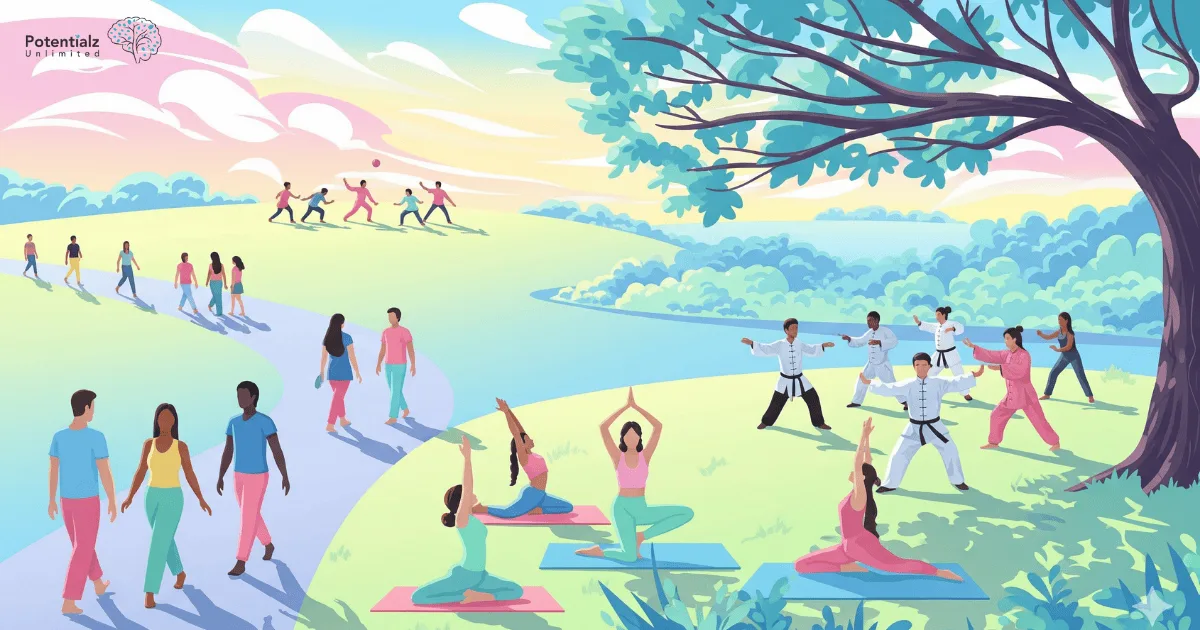 A harmonious blend of cultures enjoying outdoor activities at a local park, featuring walking, yoga, tai chi, and group sports under a vibrant sky.
Comprehensive Approaches to Depression Management
Behavioral Activation Strategies
Depression often involves a cycle of reduced activity leading to increased sadness and withdrawal. Behavioral activation breaks this cycle by gradually increasing meaningful activities.
Activity Scheduling:
- Plan small, achievable activities each day
- Include cultural activities that connect you to your heritage
- Balance different types of activities: necessary tasks, enjoyable activities, and meaningful pursuits
- Track mood changes in relation to different activities
Social Connection Building:
- Maintain family relationships despite cultural or generational differences
- Connect with community groups that share your cultural background
- Volunteer in ways that align with your values and skills
- Practice cultural traditions that provide meaning and belonging
Cognitive Strategies for Depression
Challenging Depressive Thinking:
Depression often involves negative thinking patterns that can be identified and modified:
- All-or-nothing thinking: “I’m a complete failure” vs. “I made a mistake, but I can learn from it”
- Cultural comparison traps: “I should be more successful by now” vs. “I’m adapting at my own pace”
- Hopelessness: “Things will never get better” vs. “This is difficult right now, but situations change”
Values-Based Living:
- Identify your core values including cultural and spiritual beliefs
- Take small actions aligned with these values even when feeling depressed
- Connect with cultural practices that provide meaning and purpose
- Set realistic goals that honor both your heritage and new circumstances
 A woman immersed in journaling, surrounded by cultural artifacts, cherished family photos, and symbols of hope and growth, creating a tapestry of personal and collective history.
Integrated Treatment for Co-Occurring Anxiety and Depression
Why Combined Treatment Works Better
Since nearly half of people with depression also experience anxiety, integrated treatment approaches show superior outcomes. The STAR*D study found that patients with anxious depression were less likely to remit with single-focused treatments, highlighting the need for comprehensive approaches.
Multicomponent Interventions
These combine several evidence-based approaches:
- Cognitive Behavioral Therapy for thought pattern modification
- Behavioral Activation for depression and exposure for anxiety
- Mindfulness training for emotional regulation
- Acceptance and Commitment Therapy for values-based living
- Positive psychology techniques for building resilience
Technology-Enhanced Support
Recent developments in online psychological interventions show promise for multicultural communities:
- “Well-being Online” programs available in multiple languages
- Self-administered interventions that can be accessed flexibly
- Culturally adapted digital resources designed for specific communities
- Telehealth options that overcome transportation and scheduling barriers
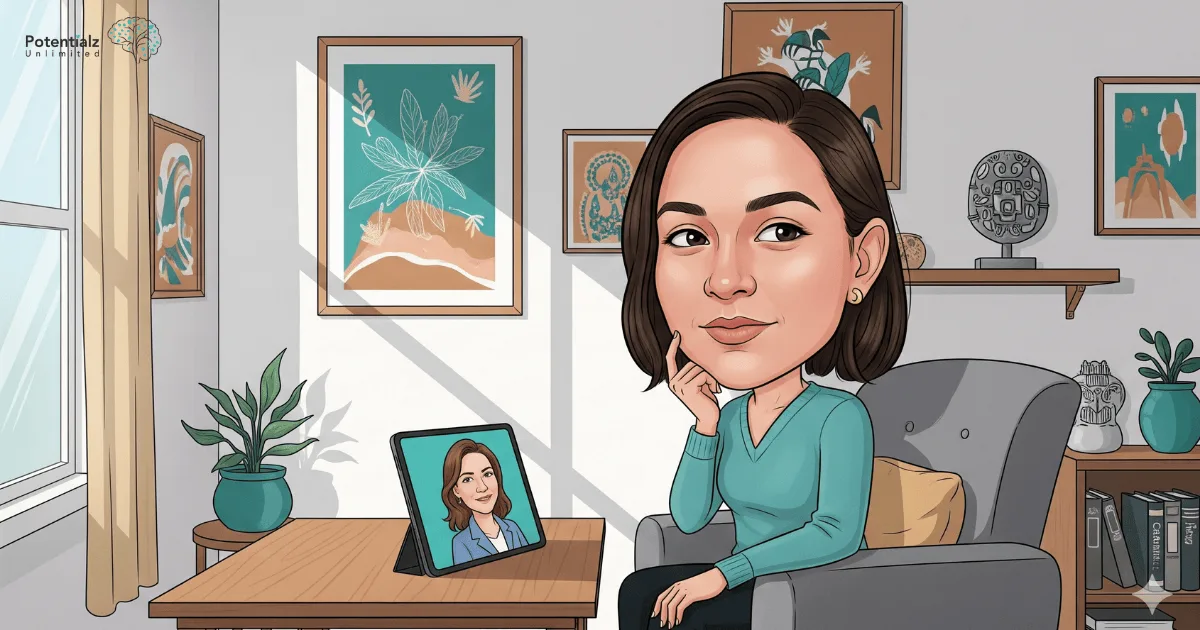 A person engages in a calming online therapy session on a tablet, surrounded by cultural artwork and bathed in warm natural light, creating a serene and supportive environment.
Culturally-Responsive Mental Health Strategies
Building on Cultural Strengths
Rather than viewing cultural differences as barriers, effective mental health management builds on cultural strengths and resources.
Cultural Protective Factors:
- Strong family networks provide natural support systems
- Spiritual and religious practices offer meaning and coping resources
- Community connections reduce isolation and provide practical support
- Cultural wisdom includes traditional approaches to mental wellness
Integrating Traditional and Modern Approaches:
- Combine meditation practices from your cultural tradition with evidence-based mindfulness
- Use cultural storytelling as a form of narrative therapy
- Incorporate traditional foods and cooking as behavioral activation
- Connect with elders who can provide wisdom and perspective
Language and Communication Considerations
Overcoming Language Barriers:
- Seek bilingual mental health professionals when available
- Use interpreter services for complex mental health discussions
- Learn mental health vocabulary in English to communicate with providers
- Involve trusted family members as cultural brokers when appropriate
Cultural Expressions of Distress:
- Recognize that different cultures express emotional distress differently
- Physical symptoms may be more acceptable ways to express psychological pain
- Family harmony may take priority over individual mental health concerns
- Religious or spiritual frameworks may provide preferred explanations for distress
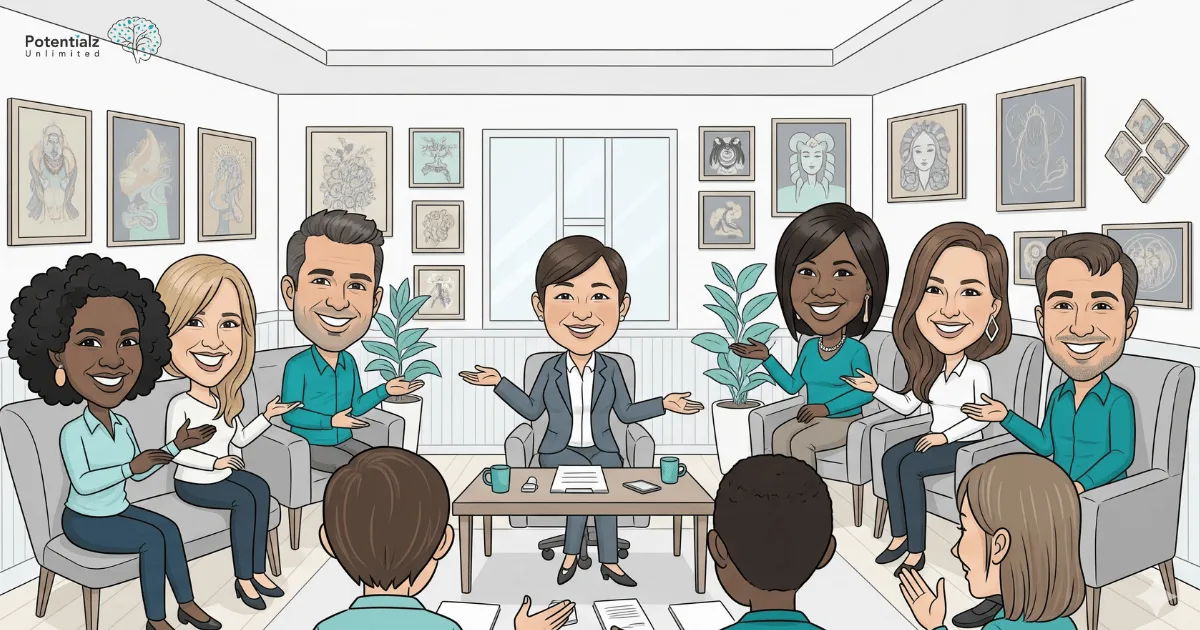 A therapy group session led by a bilingual therapist, featuring diverse individuals engaging in supportive discussions amidst culturally inspired artwork.
Practical Daily Strategies for Mental Wellness
Morning Routines for Mental Health
Start Your Day Mindfully:
- Wake up 15 minutes earlier for peaceful morning reflection
- Practice gratitude by identifying three things you appreciate
- Set daily intentions aligned with your values and goals
- Include cultural practices like prayer, meditation, or traditional movements
Nutrition for Mental Health:
- Eat a balanced breakfast to stabilize mood and energy
- Include foods from your cultural tradition that provide comfort and connection
- Stay hydrated throughout the day to support brain function
- Limit processed foods and excessive sugar that can affect mood
Throughout the Day
Stress Management Techniques:
- Practice the 4-7-8 breathing technique: Inhale for 4, hold for 7, exhale for 8
- Take micro-breaks every hour to stretch and breathe mindfully
- Use positive self-talk in your preferred language
- Connect with nature even if just stepping outside briefly
Social Connection:
- Reach out to one person you care about each day
- Participate in community activities that align with your interests
- Practice active listening when others share their experiences
- Offer help to others when you’re able – helping others improves your own mood
Evening Wind-Down
Healthy Sleep Habits:
- Establish a consistent bedtime routine including cultural practices if helpful
- Limit screen time at least an hour before bed
- Practice relaxation techniques such as progressive muscle relaxation
- Reflect on the day’s positive moments to end on an optimistic note
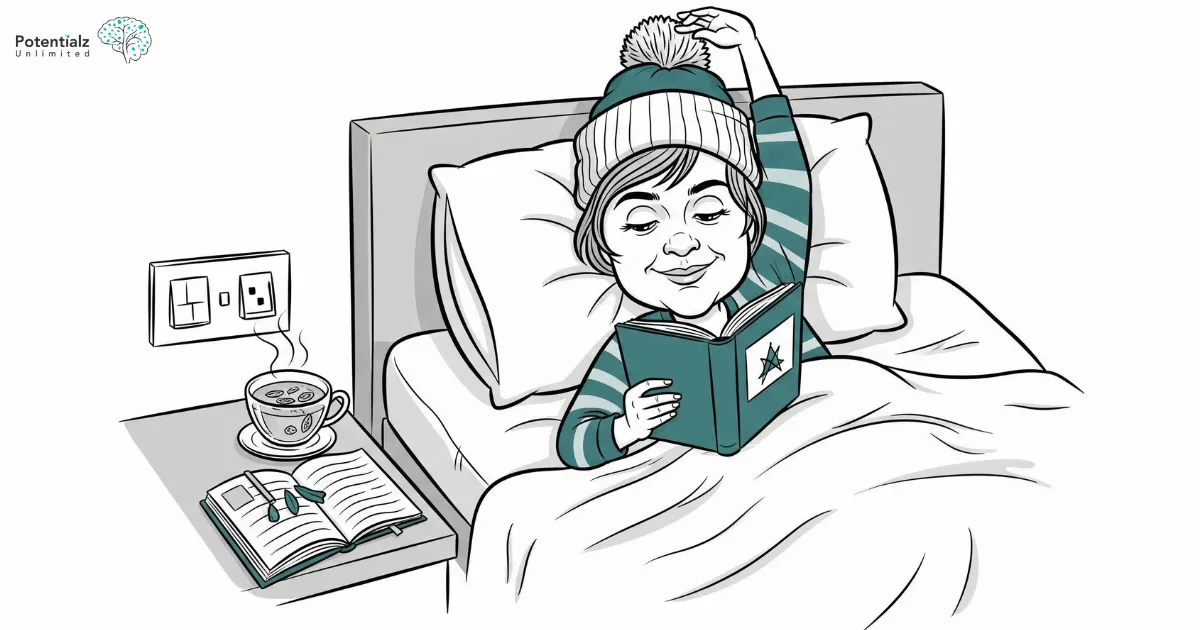 A serene bedtime ritual unfolds as someone cozily reads in bed, surrounded by soothing elements like a steaming cup of tea and cultural motifs, creating a peaceful atmosphere perfect for relaxation and reflection.
Building Long-Term Resilience and Support Systems
Creating Your Mental Health Toolkit
Emergency Strategies for Crisis Moments:
- Safety planning: Know who to call and where to go in crisis situations
- Grounding techniques: 5-4-3-2-1 method (5 things you see, 4 you hear, etc.)
- Self-soothing activities: Cultural music, traditional foods, or familiar scents
- Professional contacts: Keep therapist and crisis line numbers easily accessible
Weekly Mental Health Maintenance:
- Schedule enjoyable activities that connect you to your cultural heritage
- Regular exercise routine adapted to your preferences and physical abilities
- Social connections: Regular contact with friends, family, or community groups
- Skill practice: Continue using CBT techniques and mindfulness even when feeling better
Professional Support Options
Accessing Medicare Support:
- General Practitioner referral for Mental Health Care Plan
- Up to 10 subsidized sessions per year.
- Choose providers who understand cultural considerations when possible
- Combine with community support for comprehensive care
Community Resources:
- Multicultural community centers often provide culturally appropriate support groups
- Religious and spiritual communities can offer additional support and meaning
- Cultural associations provide social connection and identity affirmation
- Online communities connect you with others sharing similar experiences
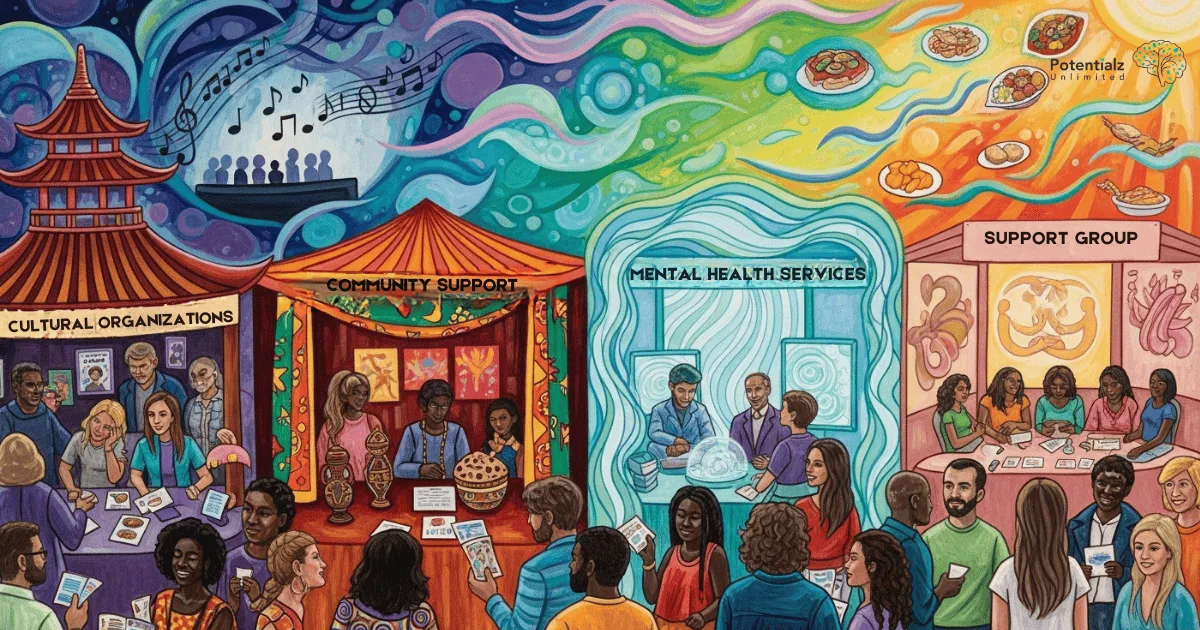 Community members from diverse backgrounds come together at a vibrant resource fair to connect with cultural organizations, mental health services, and support groups, fostering unity and support.
Special Considerations for Different Life Stages
Children and Adolescents
Young people in multicultural families face unique challenges balancing heritage culture with peer acceptance:
- Identity formation across multiple cultural influences
- Language preferences that may differ from family expectations
- Academic pressure combined with cultural expectations
- Social acceptance while maintaining cultural identity
Supporting Young People:
- Open communication about cultural identity and belonging
- Professional help from counselors familiar with multicultural issues
- Peer support groups for young people with similar backgrounds
- Family therapy to improve intergenerational understanding
Adults and Families
Parenting Across Cultures:
- Model healthy coping strategies from both cultures
- Teach emotional vocabulary in multiple languages
- Address cultural conflicts openly and respectfully
- Seek family therapy when cultural differences create tension
Older Adults
Older immigrants may face additional challenges:
- Language barriers that have persisted over time
- Physical health issues compounding mental health concerns
- Grief over losses in both home and adopted countries
- Intergenerational conflicts with more acculturated younger family members
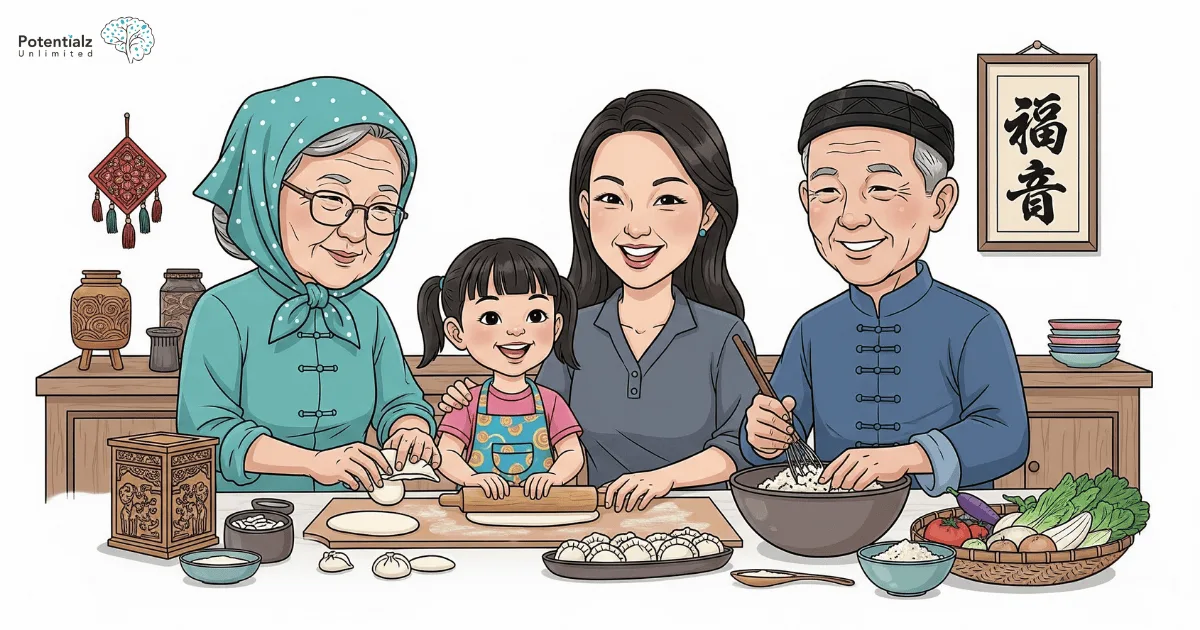 Three generations gather in the kitchen, blending cultural traditions as they joyfully prepare dumplings, highlighting the warmth and connection of family across ages.
When to Seek Professional Help
Recognizing Warning Signs
For Anxiety
Seek professional help when you experience:
- Persistent worry that interferes with daily activities
- Physical symptoms like rapid heartbeat, sweating, or trembling
- Avoidance of important activities or situations
- Sleep disruption due to anxious thoughts
For Depression
Seek professional help when you experience:
- Persistent sadness lasting more than two weeks
- Loss of interest in previously enjoyed activities
- Changes in appetite or sleep patterns
- Feelings of hopelessness or thoughts of self-harm
For Crisis Situations
You require immediate help, if you experience:
- Thoughts of suicide or self-harm
- Inability to care for yourself or your family
- Severe anxiety that feels uncontrollable
- Substance use to cope with emotional pain
Finding Culturally Appropriate Help
Questions to Ask Potential Providers:
- “Do you have experience working with people from my cultural background?”
- “How do you incorporate cultural considerations into treatment?”
- “Do you work with interpreters or speak my language?”
- “How do you address conflicts between traditional values and treatment recommendations?”
What to Expect from Quality Care:
- Cultural humility and genuine interest in your background
- Flexible treatment approaches that incorporate your values
- Family involvement when appropriate and desired
- Connection to community resources relevant to your cultural community
Technology and Innovation in Mental Health Support
Digital Mental Health Resources
Online Therapy Platforms
Recent research supports the effectiveness of internet-based interventions for anxiety and depression. Benefits include:
- Accessibility for those in remote areas or with transportation challenges
- Flexibility to access support around work and family schedules
- Cultural adaptation with resources available in multiple languages
- Cost-effectiveness compared to traditional in-person therapy
Mobile Apps for Mental Health:
- Mood tracking to identify patterns and triggers
- Guided meditation apps with cultural adaptations
- CBT skill-building tools for daily practice
- Crisis support with immediate access to help
Emerging Treatments
Rapid-Acting Treatments:
Research into new treatments like ketamine derivatives shows promise for treatment-resistant depression, though these remain primarily for severe cases under medical supervision.
Community-Based Interventions:
Growing evidence supports community-based approaches including:
- Museum and art therapy programs
- Community gardening for mental health
- Music and cultural performance groups
- Sports and physical activity programs
Building Community Support Networks
Creating Culturally-Inclusive Spaces
Community Initiatives That Work:
- Multilingual support groups addressing specific mental health concerns
- Cultural celebration events that reduce isolation and build connections
- Intergenerational programs bridging cultural gaps between age groups
- Advocacy efforts improving mental health services for multicultural communities
Family and Extended Community Support:
- Education programs for family members about anxiety and depression
- Cultural mentor programs connecting newcomers with established community members
- Religious and spiritual community involvement providing meaning and support
- Workplace mental health programs addressing settlement and employment stress
Advocacy and System Change
Working Toward Better Services:
- Participate in community consultations about mental health service planning
- Share your story (when comfortable) to educate service providers
- Support research efforts that include multicultural perspectives
- Connect with advocacy organizations working on mental health equity
Measuring Progress and Maintaining Gains
Tracking Your Mental Health Journey
Self-Monitoring Strategies:
- Daily mood ratings using a simple 1-10 scale
- Activity and energy tracking to identify what helps and what doesn’t
- Cultural connection assessment - how connected do you feel to your heritage?
- Social support evaluation - are you getting the support you need?
Celebrating Cultural Integration:
- Acknowledge progress in adapting to your new environment
- Maintain pride in your cultural heritage
- Build bridges between different aspects of your identity
- Share your growth with family and community members who may be struggling
Preventing Relapse
Warning Sign Recognition:
- Know your personal triggers for anxiety and depression
- Maintain social connections even when you feel like withdrawing
- Continue healthy habits developed during treatment
- Schedule regular check-ins with mental health professionals
Long-term Wellness Planning:
- Develop a wellness action plan including cultural activities and professional support
- Build flexibility into your coping strategies for changing life circumstances
- Stay connected with your cultural community while building new relationships
- Regular self-assessment of mental health needs and available resources
Test Your Knowledge
Conclusion: Your Journey Toward Mental Wellness
Managing anxiety and depression as part of a multicultural community requires a comprehensive approach that honors your cultural heritage while utilizing evidence-based treatment strategies. The research is clear: integrated treatments addressing both conditions simultaneously show the best outcomes, with success rates significantly improving when cultural factors are considered and respected.
Remember that experiencing anxiety and depression doesn’t reflect personal weakness or cultural inadequacy – these are common human experiences that affect people across all backgrounds. The additional challenges of cultural adaptation, language barriers, and settlement stress make your journey more complex, but also highlight your remarkable resilience and strength.
The strategies outlined in this comprehensive guide – from cognitive behavioral techniques to mindfulness practices, from community building to professional support – offer multiple pathways toward healing and growth. What works best will depend on your individual circumstances, cultural background, and personal preferences. The key is to remain open to different approaches while staying connected to the cultural values and practices that give your life meaning.
Your mental health journey is not just about managing symptoms – it’s about building a life that integrates the best of your heritage culture with the opportunities and resources available in your new home. Through evidence-based treatment, cultural connection, and community support, you can develop the skills and resilience needed not just to survive, but to thrive.
The multicultural communities of Sydney’s Hills, Parramatta, Blacktown, and Hawkesbury regions are rich with diverse perspectives, experiences, and strengths. By supporting each other’s mental health journeys while maintaining cultural pride and connection, we build stronger, more resilient communities for current and future generations.
Take that first step toward better mental health today. Whether it’s practicing a breathing exercise, calling a friend, scheduling a GP appointment for a Mental Health Care Plan, or joining a community group, every small action moves you toward a healthier, more balanced life. Your mental wellness matters – not just for you, but for your family, your community, and everyone whose life you touch.
Relevant Potentialz Unlimited Links
Need Professional Support?
If you're experiencing mental health concerns, our team is here to help.